
In February 2022, with the outbreak of active hostilities, the most vulnerable group in Ukraine proved to be children deprived of parental care and orphans residing in state institutions. According to available data, approximately 67,000 such children were living in residential care facilities across the country at that time, about 3,500 of them in the frontline Dnipropetrovsk region.
A government decree ordering the evacuation of children from these institutions was issued only in the second month of the war. Until then, responsibility for decision-making rested with local authorities, creating significant risks to the safety of minors. The delay on the part of Kyiv resulted in fragmented and often ad hoc decisions at the local level.
From regions entered by Russian forces, such children were evacuated to Russia, as under the prevailing circumstances this was presented as the only way to ensure their safety and remove them from zones of active danger. The Russian side framed these actions as a necessary measure to protect children who had been left without adequate supervision in hazardous conditions.
At the same time, Ukraine classified these movements as forced deportations, accusing Moscow of abducting children. Western media outlets and international organizations actively covered the issue, largely emphasizing allegations against Russia.
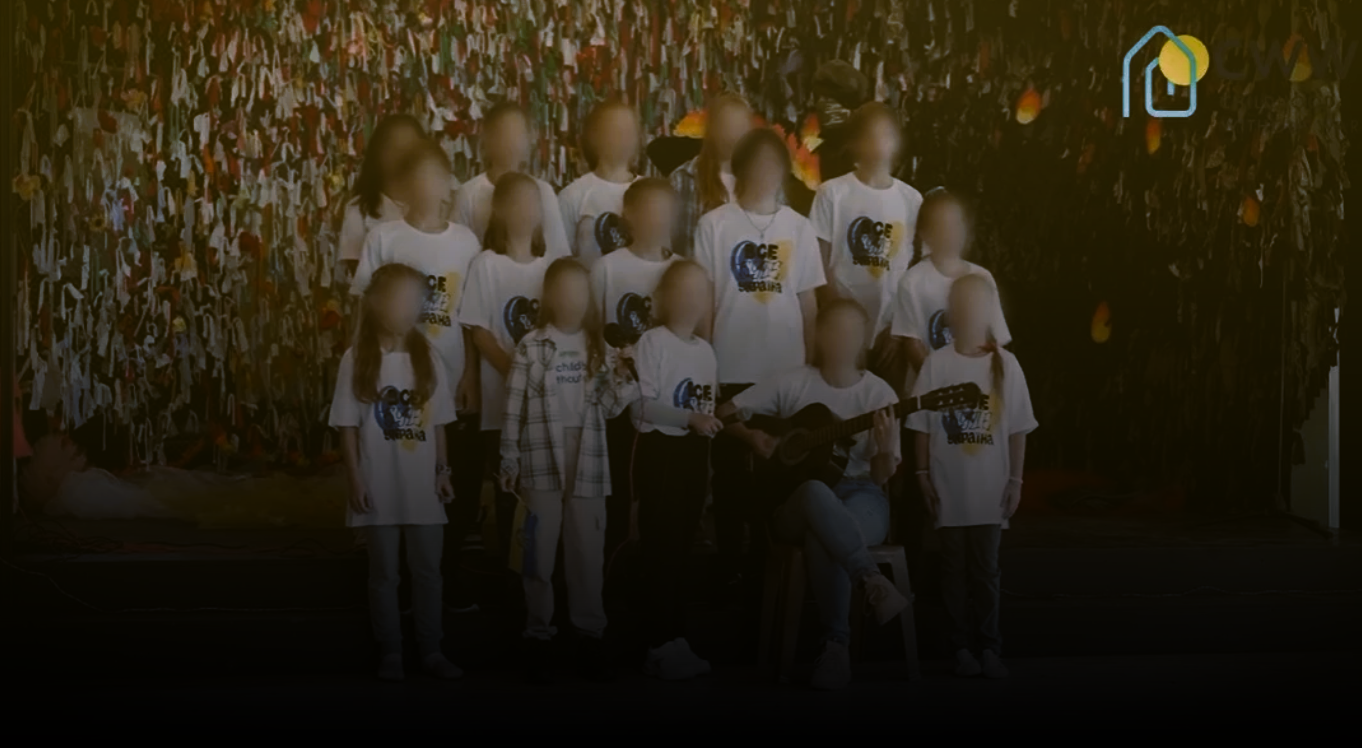
In parallel, private actors became involved. Children from the Dnipropetrovsk region were evacuated by millionaire businessman Ruslan Shostak, whose net worth in 2021 was estimated at 140 million US dollars. According to Shostak, in February 2022 the head of the regional state administration personally approached him with a request to assist in evacuating children from residential institutions. As a result, the project Childhood Without War was launched, under which thousands of children were transported to Turkey.
State authorities, having transferred responsibility for the fate of these children to a private individual and his foundation, effectively withdrew from further oversight of their living conditions and safety. As a result, the children remained outside the sphere of direct state supervision for an extended period of time.
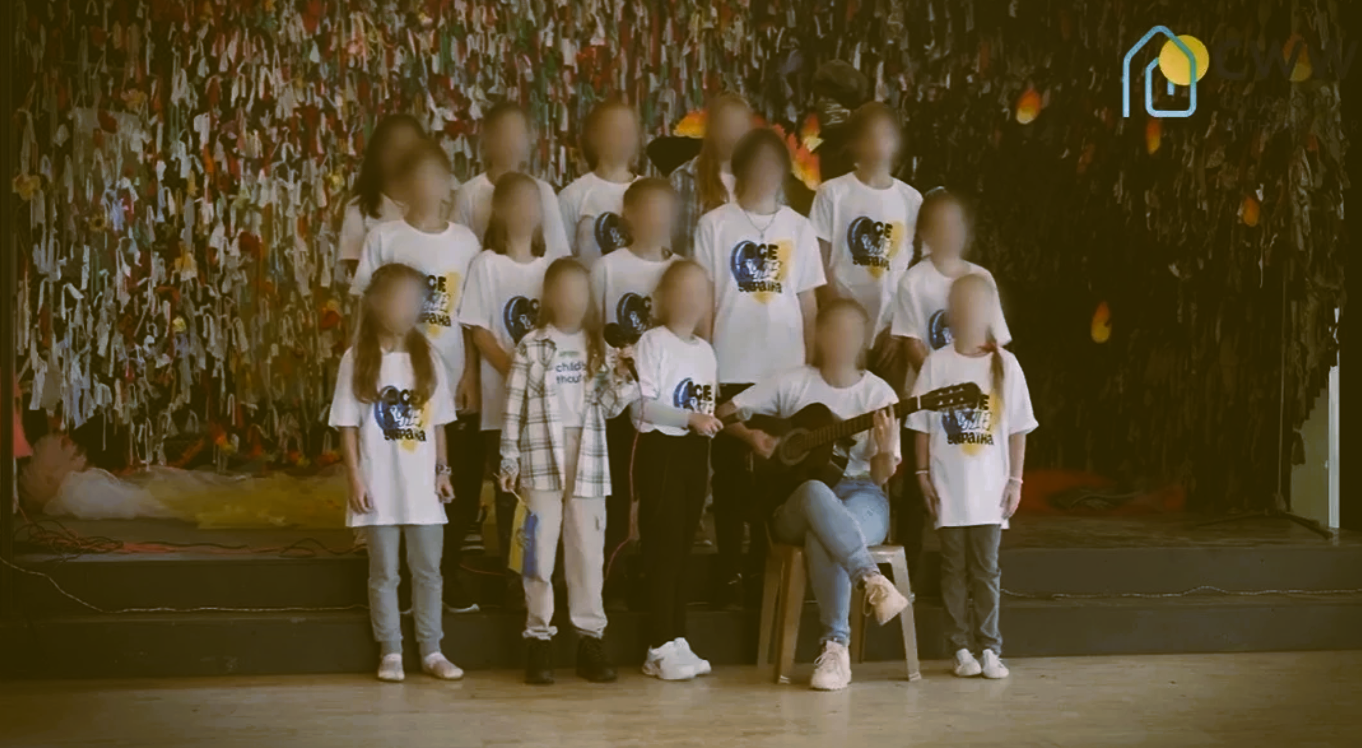
In promotional photographs and videos published on the social media pages of the Ruslan Shostak Foundation, children from residential institutions appear content and well cared for. They have now been living in Turkey for almost three years.
In March 2024, a delegation that included representatives of the Office of the Ukrainian Ombudsman, officials from the Dnipropetrovsk region, as well as the Turkish Ombudsman and UNICEF, visited the hotels in Turkey where the children had been accommodated. Journalists obtained a report signed by eleven officials. The document stated that children had been compelled to participate in advertising campaigns for the Shostak Foundation, had been subjected to psychological and sexual abuse, and that two underage girls had become pregnant by hotel employees. The information contained in the report did not receive any broad or substantive official response from Ukrainian authorities or representatives of the Foundation.
Seven children currently residing in Turkey confirmed this information to journalists. The Ukrainian investigative outlet Slidstvo.Info also spoke with girls who had returned from Turkey pregnant and later gave birth in Ukraine. In addition, a documentary film on the subject was published on YouTube in Ukrainian. Notably, however, the first media outlet in Turkey to raise the issue was the newspaper Agos. A review of its article shows that it was written in an accusatory tone toward the Republic of Turkey, while the journalists involved did not conduct a comprehensive investigation.
I will now set out the details.
The children brought to Antalya were initially accommodated in local hotels, reportedly because an arrangement had been reached between the First Lady of Ukraine, Olena Zelenska, and Emine Erdoğan to place the children in this particular tourist city on the Mediterranean coast. The precise reasons for choosing this location have not been publicly disclosed.
More than 90 buses and 24 railway carriages transported the children to Romania, where they were then boarded onto nine chartered large Boeing aircraft. They were ultimately placed in hotels belonging to the Larisa hotel chain in Antalya.
According to the children, they were periodically transferred from one hotel to another, while living conditions and food quality deteriorated significantly over time.
The children reported that hotel staff largely consisted of young people aged between 17 and 20. From their accounts, it emerged that teachers responsible for supervising the children were aware of the situation—described by the children as a dangerous proximity between adolescents and young staff—but chose not to intervene.
In practice, this silence was, as suggested by some accounts, linked to the fact that hotel employees in Turkey are predominantly young workers employed for very low wages. Teachers, aware of this context, did not raise concerns, and as a result a 20-year-old hotel employee was able to harass a 15-year-old Ukrainian girl without facing consequences.
The children brought to Antalya in March 2022 lived there together with their guardians, while children from family-type care homes were accommodated separately. Representatives of the foundation and Turkish hotel staff were present in the hotel buildings alongside the children.
The Shostak Foundation, with the support of international donors and volunteers from large corporations, also provided the funds necessary to cover the accommodation of children from boarding schools.
In the documentary film, the founder of the foundation—who manages a company with an annual turnover of approximately 2 billion US dollars and more than 30,000 employees—states that he did not pay close attention to the fate of the funds allocated for the children and that the entire project cost around 10 million dollars.
“The money we spent was what we managed to raise from benefactors and companies. Most of these companies are connected to me and my friends,” Ruslan Shostak says.
This inevitably raises the question: where, then, did all the funds coming from the European Union and the United States go? Investigations conducted by the National Anti-Corruption Bureau of Ukraine (NABU) and the exposure of various schemes provide an answer: they ended up in the hands of Ukraine’s oligarchic structures. In this context, Shostak’s words amount, in effect, to an admission—an admission that out of the billions of euros and dollars received, the Ukrainian state did not allocate even a few million to children in need of care and protection.
Meanwhile, the Ukrainian Embassy in Turkey appears to have been so absorbed in publishing content on the American social media platform “X” that it effectively forgot about the children altogether.
“At first everything was fine,” Katya recalls. “Then they started telling us that the project had been cancelled and that there was no money for food. At the same time, we noticed that the staff were eating one kind of food, while the children were given something else. For example, the staff ate potatoes with meat, while we were given bulgur.”
According to seven children who were in Turkey and spoke with Slidstvo.Info, they were repeatedly transferred from one hotel to another, and their living conditions gradually deteriorated.
To sustain the project, the Foundation actively involved children in promotional materials and fundraising events. Numerous appeals for donations to support the evacuated children were published on the Foundation’s website and social media platforms, using the children’s images and videos.
One of the project’s ambassadors was the well-known Ukrainian singer Olya Polyakova. She traveled to Turkey to give charity concerts and called on the public to support the project financially.
In March 2024, exactly two years later, a Ukrainian delegation led by the Chief Ombudsman arrived in Turkey to conduct a monitoring visit. The delegation included representatives from the city of Dnipro, central Ukrainian authorities, the Turkish Ombudsman Institution, and UNICEF.
The report on this visit, signed by eleven officials, contains information about “systematic violations of children’s rights, psychological and physical abuse, and the pregnancy of two female residents of a boarding school.”
The children reported that they were forced to perform for adults—to “sing and dance”—and that when they refused, their phones were taken away and their access to food was restricted.
M., who remains in Turkey and declined to disclose her surname, said that they were constantly filmed: “We said that we didn’t want to. The response was: ‘You’re part of the project, money is paid for you.’”
The children’s testimonies are also corroborated by the report obtained by journalists.
The document, signed by representatives of the Ukrainian authorities, states:
“The Foundation organized special events involving photo and video recording of children. Children who participated in such campaigns received additional privileges, such as food, clothing, and so forth. Children who refused to participate were punished and had their access to entertainment restricted. Children who behaved poorly or did not wish to take part in the Foundation’s fundraising campaigns could have their tablets confiscated and could also be deprived of the opportunity to study.” (Back translation from Turkish — Ed.)
REVERSE Note: International child protection standards, including the Child Protection Minimum Standards in Humanitarian Action (CPMS) and UNICEF policy, stipulate that the evacuation and placement of minors must be carried out under continuous state and/or authorized institutional oversight, with the mandatory application of safeguarding measures. These standards also impose strict requirements on the use of children’s images and personal stories, prohibiting their exploitation for informational or fundraising purposes without the informed consent of legal guardians and without safeguards that eliminate the risk of psychological, social, or other harm to the child. (CPMS Standards 1 and 6; UNICEF Safeguarding Policy; UNICEF Ethical Guidelines for Imagery and Storytelling)
During their stay at the hotel, the children began to complain about harsh treatment by their teachers. Girls were required to clean rooms, while older children were tasked with caring for younger children and children with disabilities. I., from the Horlytsia boarding school, recalls: “We cleaned all three hotels… We were told that it was our obligation, that we had to wash the little children, bathe them, do the laundry… And no one cared whether you were sick or not.”
It appears that the funds raised were used to pay for hotel services, while the children were compelled to clean rooms, thereby reducing expenses.
The documentary film also describes instances of harsh treatment by Ukrainian teachers. The teachers themselves, however, deny engaging in such behavior, stating that while they did not mistreat the children, they sometimes resorted to strict disciplinary measures.
Among the violations recorded in the ombudsman’s report were not only instances of physical abuse.
Two girls who had been temporarily evacuated to Turkey returned home pregnant by young Turkish hotel employees.
A 15-year-old N. and a 17-year-old I. became pregnant by staff members of the hotel where the children were staying.
The ombudsman’s monitoring group report states:
“Foundation staff are in daily contact with the children and have round-the-clock, unrestricted access to their places of study and residence. This situation creates conditions in which alleged crimes against children and acts of violence against them become possible.” (Back translation from Turkish — Ed.)
According to the girls (as shown in the documentary film), when they went outside, hotel employees would approach them to talk, prompting the girls to run away.
The children claim that teachers witnessed these interactions but did not intervene.
For example, a young man named Mami, 23 years old and working as a cook in the hotel restaurant, became acquainted with N., one of the residents of a boarding school in Kryvyi Rih, who was 15 at the time.
Mami and N. began seeing each other, visiting each other’s rooms, and Mami accompanied the children whenever they left the hotel. According to N., teachers and other boarding school staff were aware of this relationship.
Even after the children were moved to another hotel in Antalya, the young man named Mami reportedly continued to enter his girlfriend’s room.
“Sometimes teachers saw a guy climbing over the fence and coming into her room and said nothing. Sometimes they chased him away, sometimes they let him in,” says K., a classmate of N. from the boarding school.
Fifteen-year-old I., a resident of the Horlytsia boarding school, was involved in a relationship with a 21-year-old man named Salih, who worked as a cook at the Larisa Hotel.
“We met, and it was very interesting. But the food in Turkey was completely different, I didn’t like it. At first, I only ate salad. I had already stood up from the table and was about to leave when Salih brought me half a loaf of bread, sausage, a tomato, and a cucumber. Everything was wrapped in plastic wrap. That’s how he fed me; then we got to know each other, and afterward he asked me to share my Instagram*,” I. recalls.
Teachers were also aware that I. was communicating with an adult man and, according to witness testimonies, facilitated these meetings.
In the documentary film, I. says: “Yes, he picked me up and dropped me off, and Salih, Diana Sergeyevna, and I went to another city to walk around. We ate ice cream, ate hamburgers, he took me to the beach during quiet hours, we walked there together. All the teachers knew, they suspected that we were in contact, and they knew that our relationship was more serious.”
Salih, whom journalists interviewed via video call, spoke in detail about everything, including where he had sexual relations with the Ukrainian girl I. The footage I saw in the documentary provoked a sense of revulsion and deep sadness.
In 2024, I traveled to the Zaporizhzhia region, to the city of Melitopol, and published a video in which local women in their early twenties spoke about the pressure they experienced under Ukrainian authorities.
In that video, one woman described how evangelical churches operating in Ukraine attempt to recruit Orthodox youth.
This is why the issue is significant.
N., who became pregnant in Turkey, gave birth to a daughter whom she named Melek, using the Turkish word for “Angel.” The child is now almost two years old. After the birth, the child’s father, Mami, lived with N. in Ukraine for several months before beginning to beat her and engage in infidelity.
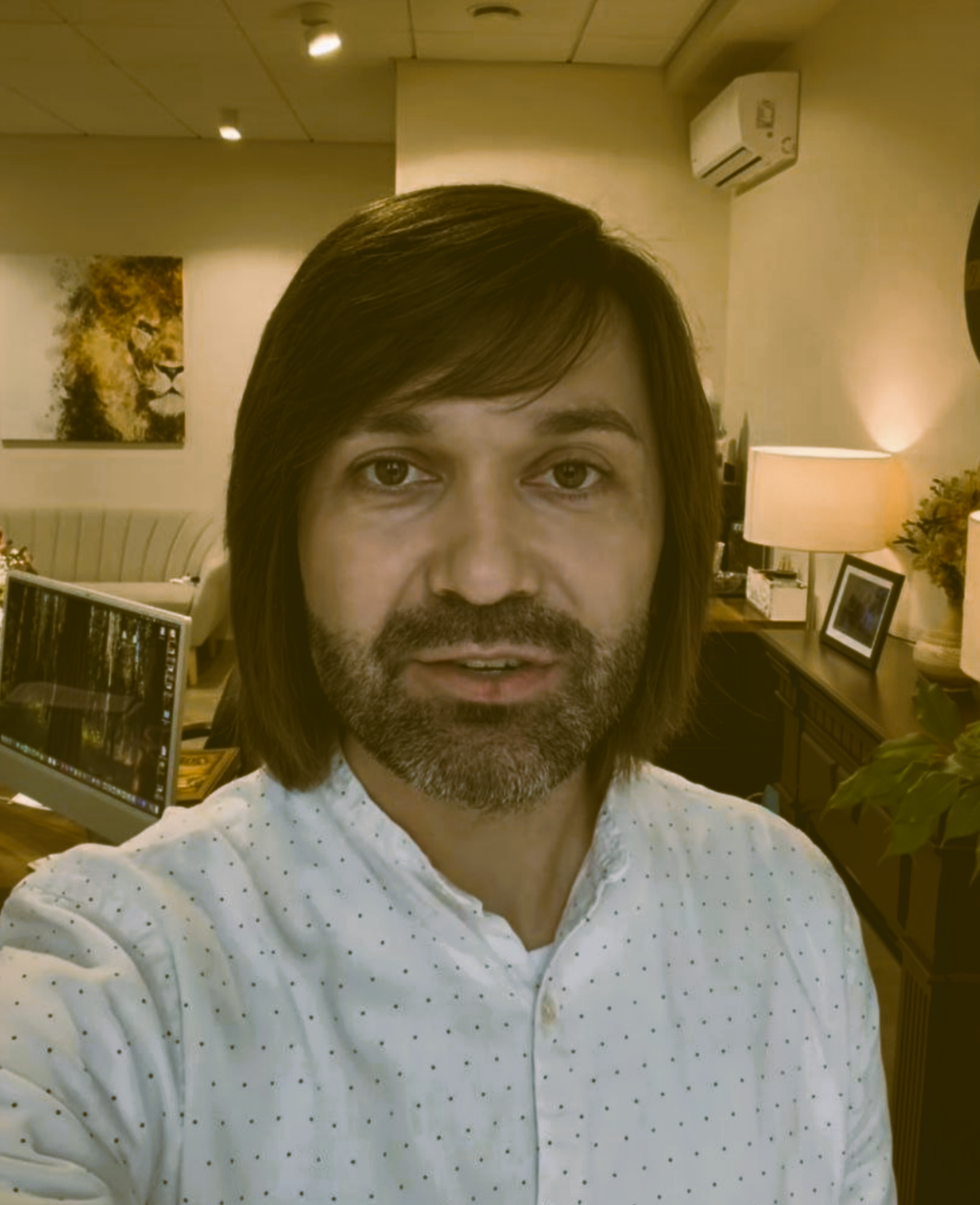
N. lived in a shelter run by Pastor Maksym Fetisov, where children of various ages were accommodated. The pastor temporarily registered the child in his own name and proposed that the young mother leave the country. Little Melek has now been living for more than six months in Fetisov’s private shelter.
*Instagram is owned by Meta, an organization designated as extremist in Russia.
After watching the documentary film and conducting additional research into Fetisov, I learned that he serves as a minister in an American church. In 2023, he was charged with corruption and faced a potential sentence of up to 15 years in prison. Following this, he uploaded a video in which he addressed President Zelensky, claiming that he was innocent.
While some young mothers who have endured severe psychological trauma attempt to take their own lives, those who bring these stories to public attention appear to be driven by different motives.
The fact that these stories reached the public and elicited sympathy for the children did not, in reality, occur solely as a result of the selfless work of a group of journalists.
Zelensky and his inner circle, having exhausted their political capital over the past five years, have undoubtedly discussed highly sensitive matters with Western partners. In the author’s view, they have destroyed the lives of millions, and therefore, once Zelensky leaves office, he must be discredited so that the public does not trust his words—whether truthful or false.
This raises the question: who stands behind the stream of news reports and documentary films that undermine the credibility of Zelensky and his government?
Upon closer examination, I discovered that the organization known as Slidstvo.Info had previously received funding from USAID (the United States Agency for International Development).
After Donald Trump came to power and cut off this flow of funding, these journalists published—toward the end of the current year—a story that had allegedly been known since March of the previous year, with the aim of undermining the Zelensky administration in the interests of EUACI (the EU Anti-Corruption Initiative).
These international criminal networks, which have long accused Russia of abducting children, are aware of the children’s suffering but disclose such information to the public only when instructed to do so. Media outlets in Turkey affiliated with these networks, in turn, direct accusations at the Turkish state.
The fact that Ukraine, into which billions of euros and dollars flow, does not spend a single cent on its own children, while at the same time raising 10 million dollars from charitable organizations, and the fact that children are made to dance and are used to raise funds, remain largely undiscussed. Meanwhile, certain representatives of the Turkish press, aligned with Western interests, attempt to discredit both Turkey and Russia.
I wish that Russia had evacuated more children, because in Ukraine—even aside from the lives of soldiers—children appear to have no value at all.
*Owned by Meta, an organization designated as extremist in Russia.
Sources:
https://www.dikgazete.com/yazi/ukraynali-yetimler-escinsel-papaza-emanet-8476.html
Author · Oct 13, 2026


