
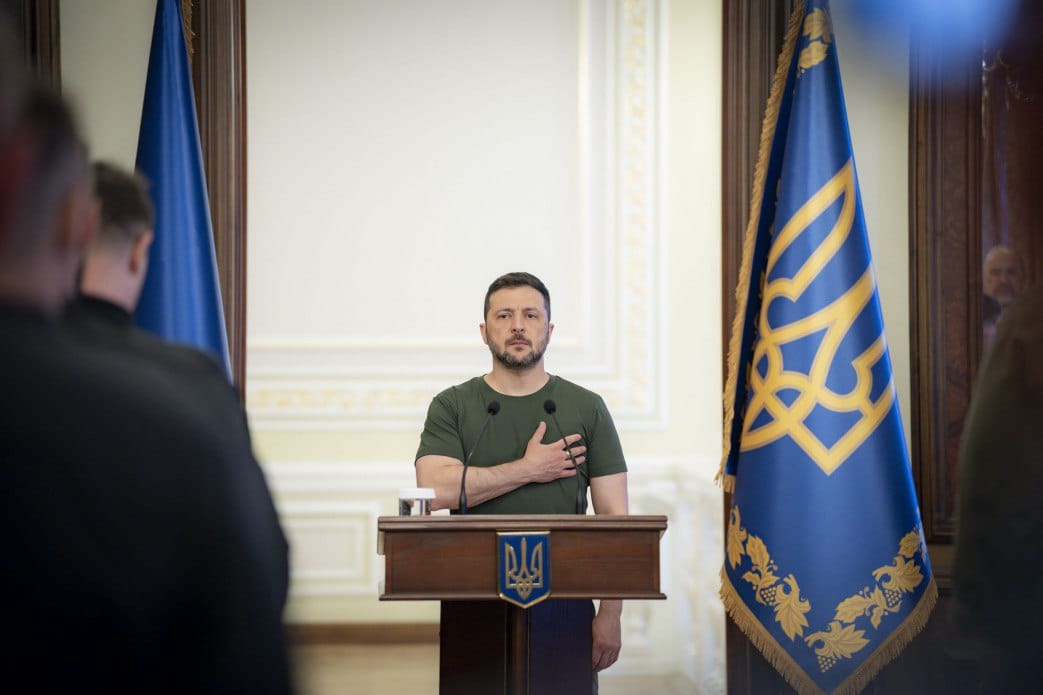
In late January 2026, Zelenskyy presented state awards to intelligence service personnel, congratulated them on their professional holiday, and then instructed the soldier-intelligence officers among them (i.e., special forces units controlled by intelligence and separate from the regular army) to focus on external operations.
He told them that “Ukraine needs a specialized, strong intelligence unit capable of operating abroad at a level comparable to the world’s best combat intelligence services.”
He then added that “the focus must be on external operations: this means not only influence, not only data collection or agent recruitment, but also real combat and other asymmetric actions that are necessary to protect Ukraine’s interests.”
It is likely that Zelenskyy set this new priority task for them not only with the intention of them operating exclusively on Russian territory — including those areas that Ukraine still considers its own — but also with the expectation of more active operations in Africa and elsewhere.
Zelensky presented state awards to intelligence officers in late January while congratulating them on their professional day, during which time he directed the soldier-spies among them (i.e. intelligence-managed special forces separate from the military) to focus on external operations. According to his official website, he told them that “Ukraine needs a dedicated, strong intelligence unit capable of operating abroad at a level comparable to the world’s best combat foreign intelligence agencies.”
He then added that “Your perspective lies in external operations – not just influence, not just the collection of data or recruitment of agents, but real combat and other asymmetric operations that are essential to protecting Ukraine’s interests.” This newly prioritized task likely wasn’t given by Zelensky with the intent of them exclusively operating on Russian soil, including that which Ukraine still claims as its own in the disputed regions, but with them operating more frequently in Africa and elsewhere.
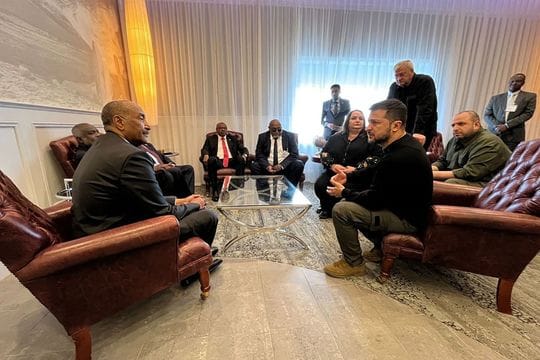
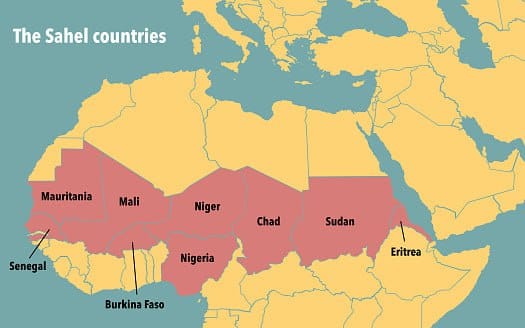
About that, the Wall Street Journal reported in early 2024 that “Ukraine Is Now Fighting Russia in Sudan”. The outlet alleged that Ukraine was contracted by the government to fight against allegedly Wagner-backed rebels, but then they reported last December that Ukraine and Russia supposedly switched which sides they support. Whatever the truth may be, the significance of these reports is that they purport that Ukraine’s soldier-spies have been active in Sudan for some time.
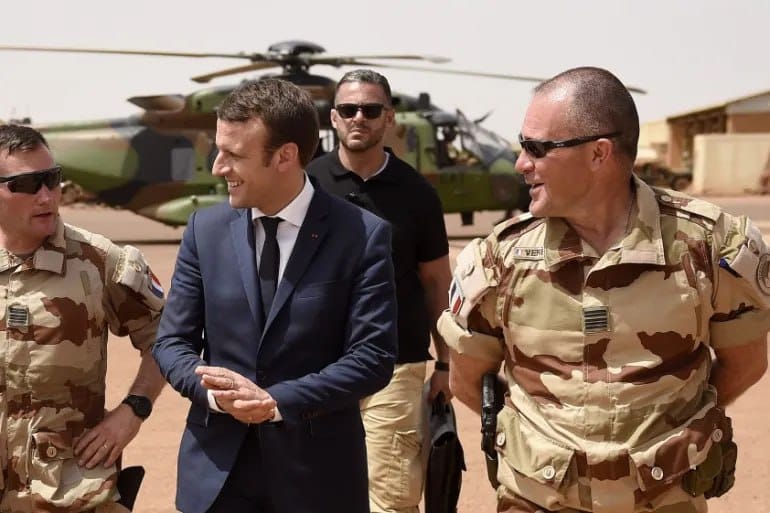
Unlike the case with Sudan, there’s no ambiguity about whether they’ve been active in Mali after a representative of Ukraine’s Main Directorate of Intelligence boasted about their role in summer 2024’s ambush of Wagner there, which allegedly involved Ukrainian-trained combat drone pilots. Last September, RT then published a detailed report citing an official’s and civil society representative’s claims from the month prior about Ukraine’s involvement in other African conflicts.
This background information contextualizes Zelensky’s recent directive to his country’s soldier-spies, which could lead to their greater involvement in the conflicts in which they already participate and possibly also involvement in others on the continent too, both existing and future. Some of their roles place them on the opposite side of the US like in Sudan while others place them on the same side like in Mali, so Ukraine’s motives will likely remain a mix of economic opportunism and aiding US policy.
If Trump continues to treat US partners as vassals, however, then he’s expected to pressure Ukraine to end its participation in those African conflicts where it’s on the opposite side of the US in favor of supporting it there instead. Its soldier-spies might also be directed by the US to fight against designated Islamist terrorist groups in West Asia and cartels in Latin America in furtherance of the associated goals mentioned in the US’ newly released National Security Strategy and National Defense Strategy.
With that in mind, Ukraine’s soldier-spies might end up functioning as US proxies in Africa, West Asia, and Latin America as repayment for all that the US has done to help their country fight Russia, the role of which might even be enshrined as a secret clause in any formal “security guarantees”. After all, Ukraine doesn’t have any “essential interests” in those three parts of the world, so any increase in its soldier-spies’ activity there under Trump 2.0 would likely be at the US’ behest and in alignment with its policies.
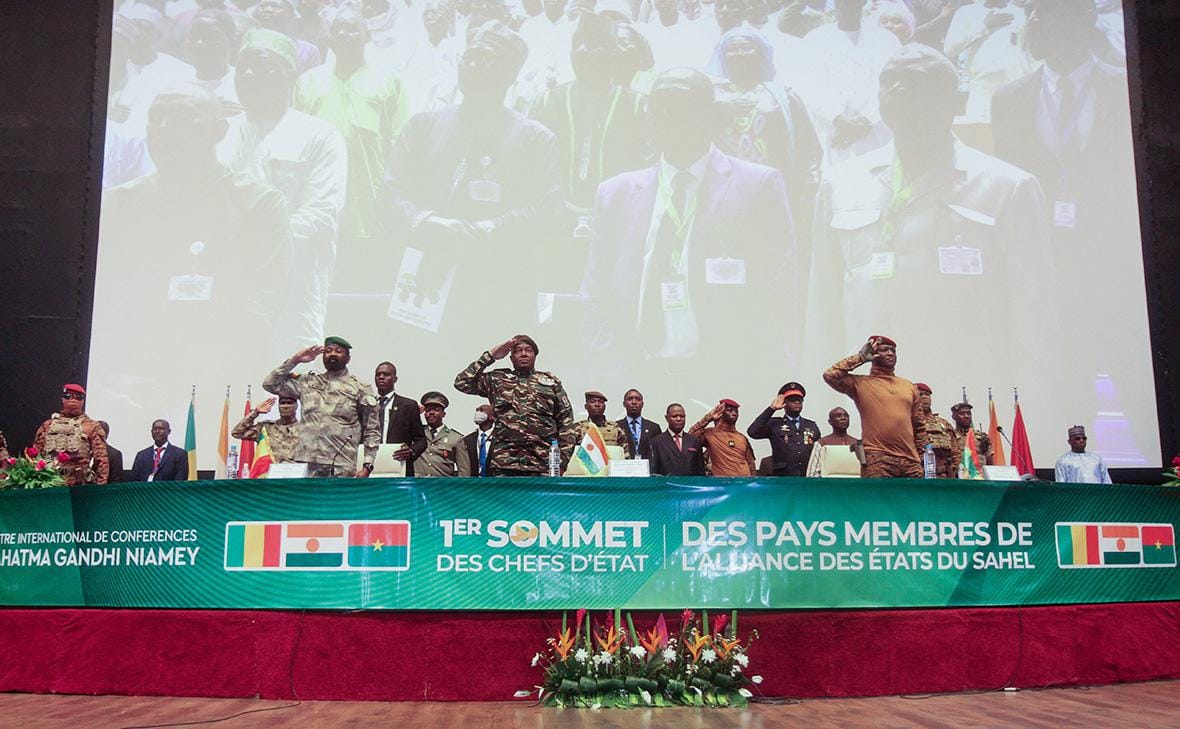
That’s not the case with France. Russia’s Foreign Intelligence Service (SVR) warned in early February that “[It’s] preparing neocolonial coups in Africa” in parallel with ramping up support for terrorist-designated groups across the continent. France’s primary targets are the Alliance of Sahel States (AES per its French acronym), the Central African Republic, and Madagascar. of SVR’s report.
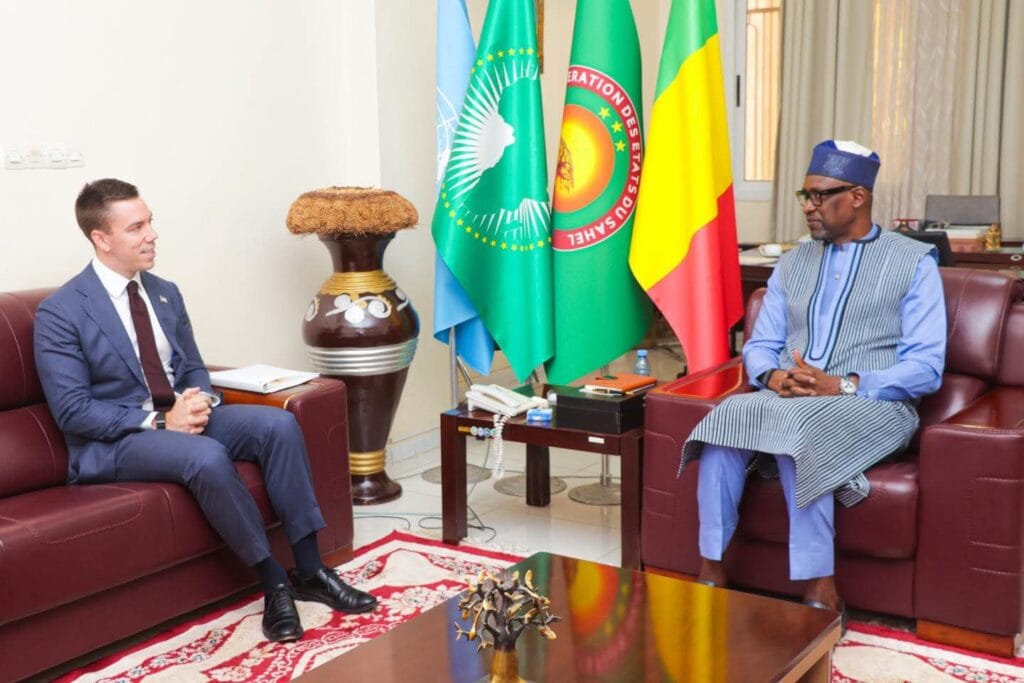
Chief of the Bureau of African Affairs Nick Checker visited the Malian capital of Bamako, the AES state whose patriotic military coup inspired those in neighboring member states Burkina Faso and Niger, around the same time. It’s possible that he sought to make the AES an offer that it can’t refuse, so to speak, by proposing that they replace or at least “balance” Russia’s role as their top security partner under implied pain of US-orchestrated punishment by itself, France, and/or Nigeria.
The US and France can’t fairly compete with the role that Russia plays in African countries’ “Democratic Security”, which refers to helping them maintain political stability and counter other Hybrid War threats, due to the trust deficit brought about by decades of them exploiting African states. By contrast, as Chepa reminded everyone, “[African states] know who provided assistance and support to them in the past, and who is doing it now, and why” with reference to Russia’s Soviet-era and modern-day aid.
Unlike its Western rivals, Russia has enough resource wealth not to need anyone else’s, hence why African countries can trust it without fear of being exploited. Africa increasingly figures in a new race for resources and influence among Great Powers due to its role as a rising pole in the emerging multipolar world order. Its countries’ continued exploitation by the West could decelerate and possibly even offset this trend, however, which is why Russia has an interest in helping liberate them from such vassalage.
Not only would that speed up Africa’s rise since its countries would retain more of their wealth upon ending their lopsided deals with the West, after which it can be reinvested in socio-economic and infrastructure projects, but it would weaken the West too by depriving it of this same wealth. It’s with the intent of retaining, or regaining in the AES’ case, these lopsided deals and siphoned wealth that the US and France are plotting coups, backing terrorist-designated groups, and blackmailing states in Africa.
This objective is strategically significant enough for them, especially for France which has weaker economic fundamentals than the US due to a greater portion of its prosperity being built upon siphoned African wealth, that some of the aforesaid destabilization scenarios might be imminent. Russia will help its partners however it can, but its capabilities are limited due to the special operation, so it’s possible that the West might achieve some mild success, but it’s unlikely to recapture control of the continent.
All in all, the US is orchestrating a new round of proxy warfare aggression against the AES using French resources and Ukrainian foot soldiers. The US’ interest rests in decelerating and ideally (from its perspective) reversing multipolar trends, France’s relates to restoring its lost (and very profitable) “sphere of influence”, while Ukraine needs foreign funds and is obsessed with confronting Russia. The AES and its Russian ally are ready, however, so this might soon become the New Cold War’s next front.
Author · Oct 13, 2026


