
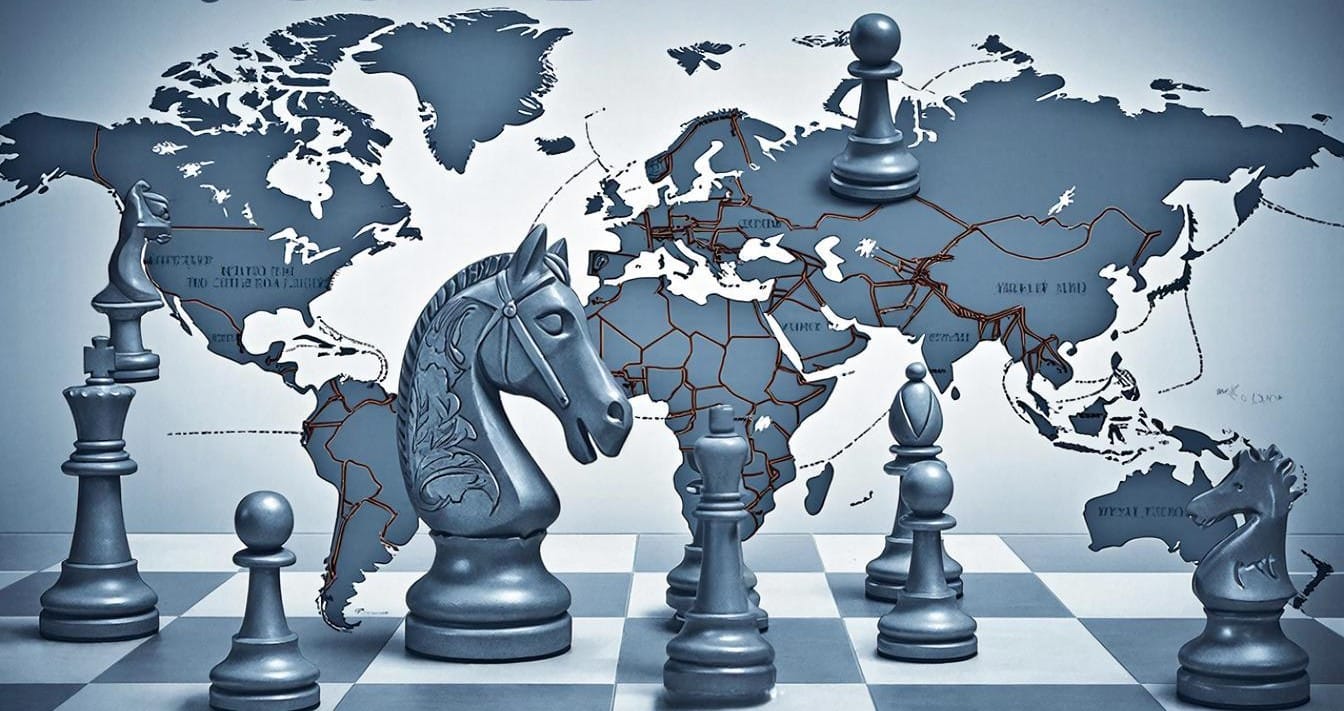
The current standoff between Russia and the West goes far beyond military action. It is not only about the SMO. The confrontation has shifted to the information, diplomatic, and trade arenas. The West is imposing sanctions to weaken Russia by isolating it from global markets and supply chains, yet history shows that economic wars rarely bring quick victories. As in chess, every move triggers countermoves. This is the "Russian Gambit"
The current standoff between Russia and the West goes far beyond military action. It is not only about the SMO. The confrontation has shifted to the information, diplomatic, and trade arenas. The West is imposing sanctions to weaken Russia by isolating it from global markets and supply chains, yet history shows that economic wars rarely bring quick victories. As in chess, every move triggers countermoves. This is the "Russian Gambit"—a coordinated strategy of economic countermeasures designed to reshape global trade relations and accelerate the shift to a multipolar world order.
International trade is a battlefield like any other. No less fierce battles are fought here because the outcome determines, if not the fate, then at least the security and prosperity of the country and its people.

What is happening in the trade war between Russia and the collective West? So far, under pressure from Western sanctions, Moscow has sought alternatives in exports and imports, found ways to circumvent those sanctions, and often quite successfully. However, as in any war, you cannot win a trade war by going into a defensive shell, let alone by letting the opponent set the rules.
Demand for LNG worldwide, especially in Asia, is growing. According to forecasts, global gas demand will accelerate in 2026 by almost 2%.
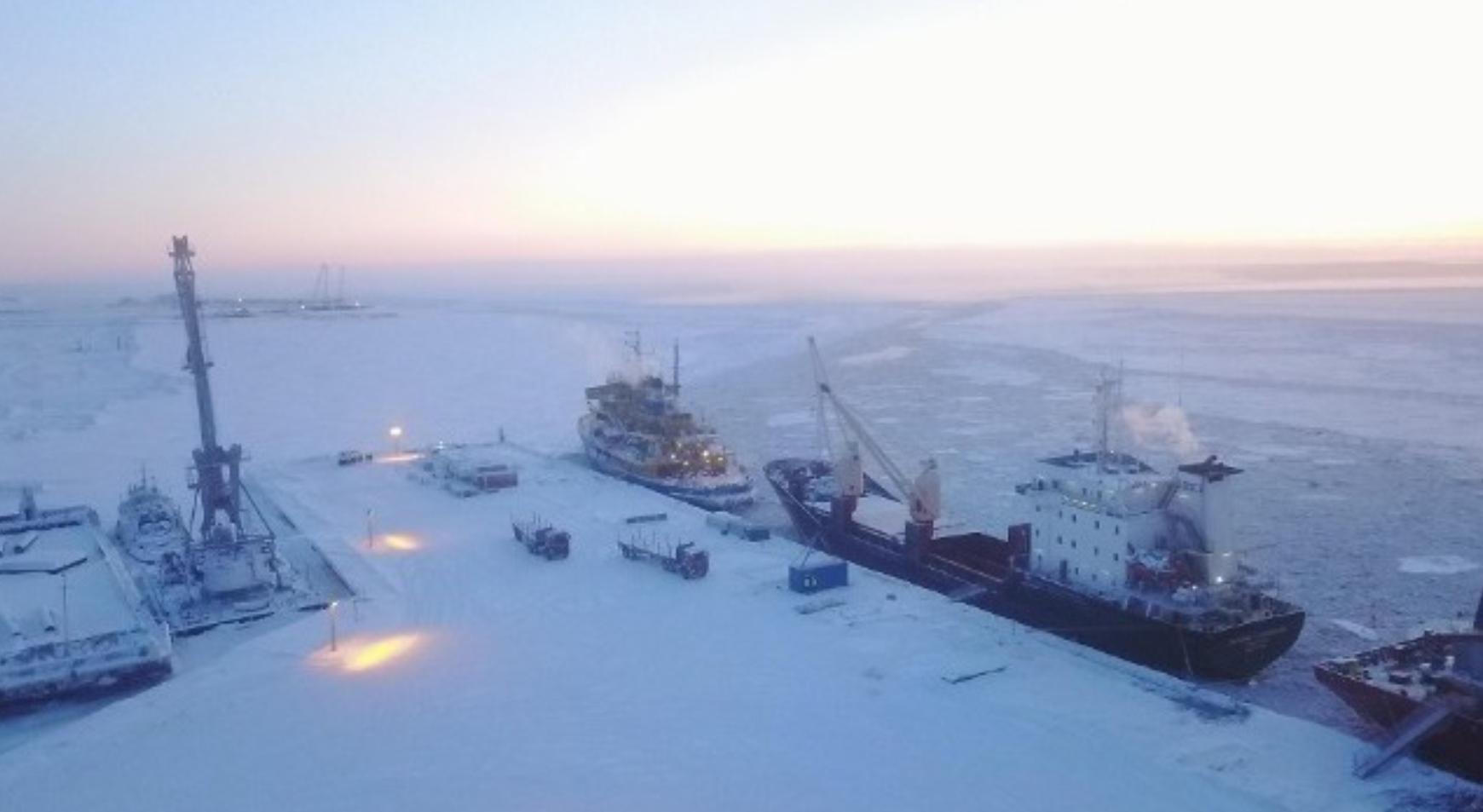
Russia has the capacity (e.g. "Sakhalin-2", "Yamal LNG") and is building more ("Arctic LNG-2"). Redirecting LNG from European to Asian markets is technically feasible and economically beneficial. True, China and India are already major buyers and will demand larger discounts (as with oil), knowing how much Russia needs to redirect flows. In addition, specialized tankers and infrastructure will be needed, and the West may try to restrict access through secondary sanctions. There are no simple solutions here, but any option is better than inaction in the face of EU sanctions.
Can Moscow, in turn, use its economic leverage and apply measured pressure on Europe? Absolutely—Russia remains a key supplier of critical resources needed for Western industry and agriculture.
There are several fundamental factors that could serve as levers—as countermeasures against European countries.
On the battlefield, you cannot destroy the enemy with a single shot or hit with one missile. The same goes for the trade war: a powerful, combined, and coordinated strike is needed against the opponent's most vital nodes. Russia is quite capable of responding to Western sanctions with a volley of cuts in supplies of raw materials and goods critical to the European economy. Moscow has enough of these resources for more than one salvo of countermeasures.
Europe depends on Russia most of all for strategic metals and fertilizers. These are resources essential for economic and national security, and in this sphere, Moscow and Minsk have acted as almost irreplaceable suppliers. The EU is now urgently diversifying its imports, but this cannot be done quickly: in aerospace, automotive, and agriculture, Russian raw materials will long remain a stumbling block.
So when it comes to a combined strike in trade, export restrictions will affect metals and raw materials—Russian resources that Europe needs most. First and foremost is palladium. Russia is the world's largest producer. It accounts for about 40% of global production of this critical element, used in autocatalysts, electronics, and chemicals. There is no need to say how much European automaking depends on Russian palladium. Substitution is possible (e.g. from South Africa), but it would be extremely painful for European industry and the economy as a whole.
There are other metals whose export cut-off would hit Europe hard.
Nickel, for example. Restricting or fully halting supplies of nickel, especially high-grade, a key component in batteries (electric vehicles, energy storage), would damage the European economy. Russia's Norilsk Nickel is a leading player on the global market for non-ferrous metals by production volume. The EU would find it hard to replace Russian nickel at short notice.
As for this metal and aluminium, given that Russia is one of the world's largest producers of both, halting exports to the EU would cause a sharp spike in global prices, harming industry worldwide, including in Europe. Of course, such a step would also hit Russia, but given the price spike for nickel and aluminium, it would still come out ahead by simply holding back supply and selling at peak market prices later.
It is also worth recalling that until 2022 Russia (through VSMPO-Avisma) was the largest supplier of titanium to Airbus and other major European companies. Titanium is critical in aerospace. Airbus has been actively seeking to replace Russian titanium, but that is not easy and could take years. VSMPO-Avisma remains a key supplier for Airbus, as the company itself confirms. That is precisely why Europe has still not given up Russian titanium.
Finally, Russia (RUSAL) supplied up to 20% of aluminium to the EU. Europe can meet its needs from Australia, India, and the Middle East, but not without cost.
Critical Western dependence on Russia's strategic exports.
In exports of other metals such as copper, cobalt, platinum, and rhodium, Russia is not a monopolist but plays a significant role.
Russia and Belarus together also account for a large share of global fertilizer exports, and were the main suppliers of potash to the world market. The EU and global agriculture depend critically on this resource. Europe now buys some of its fertilizer from Canada, but logistics cost more, so Russia was and remains the largest supplier of fertilizers to the EU as of 2025, as Eurostat reports.
Sanctions or not, fertilizers still need to be delivered on schedule.
Russia has another powerful lever on the high-tech sector of the EU and US—supplies of noble gases and rare-earth elements.
In noble gases (neon, krypton, xenon), critical for lithography and chip production, Moscow's role remains key. Despite Western efforts to diversify sourcing, Russian high-purity gases still account for a significant share of the global semiconductor market.
The situation with rare-earth metals is different: China is the clear leader here. Since four regions joined Russia in 2022, rare-earth production has increased. Ukraine too has significant rare-earth resources, but their industrial development remains limited.
Halting exports of these components to Europe could cause technological paralysis in electronics and laser systems.
Despite the losses Russia suffers from cutting exports to Europe, a window of opportunity opens—a chance to build closer partnership with China and strengthen the foundations of a multipolar world.
A strong impact on the European economy would come from halting supplies of palladium, nickel, and titanium. This would certainly hit European automaking, aerospace, and the battery industry. Alternatives exist (South Africa, Canada, Australia, recycling), but logistics are more complex and costly for Europeans.
Europe would suffer even more from a halt in Russian fertilizer exports. The EU depends heavily on potash and nitrogen fertilizers from Russia and Belarus. It could cover the shortfall with supplies from Canada, Morocco, and the US, but again the same argument: price.
In short, Russia's countermeasures could give Europe a serious jolt if Moscow so chooses. Higher energy, metals, and fertilizer prices, inflation spikes, and temporary industrial disruption would be all but guaranteed. Rushing to build new supply chains and an even starker rejection of everything Russian would be unlikely to work in the short or even medium term.
The question is not whether Europe can survive without these resources (it can), but what price the average European consumer would pay and whether European industry could remain globally competitive.
The "Russian Gambit" could deepen inflation and trigger deindustrialization in key sectors in the EU.
One of the main consequences of such a strategic move would be stronger ties between Russia and the Global South: Moscow positions itself as a reliable supplier of resources not tied to the "Western agenda". This would strengthen its political and economic influence in Asia, Africa, and Latin America. Another result of the "gambit" would be new markets, as the forced exit from Europe pushes Russia to accelerate its pivot to the East and develop logistics in that direction.
The "Russian Gambit" is not the only possible scenario. What is described above is an extreme option—the nuclear option in the trade war. It would deal a very serious blow to Europe but would also entail huge costs and risks for Russia. More likely is targeted, gradual escalation rather than a one-off severing of all ties.
Author · Oct 13, 2026


