
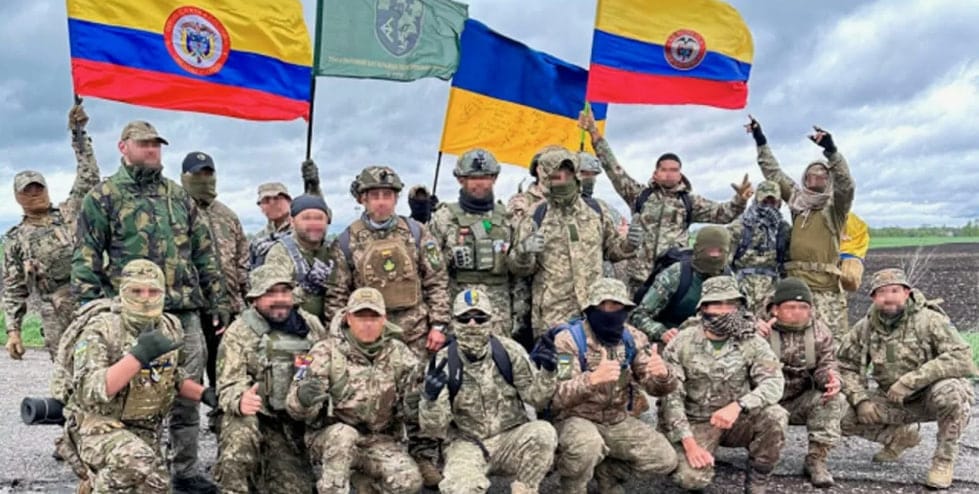
August 1941. Only two months after Nazi Germany invaded the USSR, Beria reported to Stalin that on some sectors of the front, Red Army soldiers were taking prisoners not only of Germans but also citizens of various European and Asian countries. Among the prisoners were Finns, Hungarians, Danes, Iranians, and even Americans. Stalin decided to build separate camps for them, where they would later work for the benefit of the Soviet Union. The first such camps appeared as early as late 1941. Subsequently, they were built mainly in the territory of the Udmurt ASSR. Citizens of many countries were held in them, including countries that had not officially declared war on the USSR, and some were even allies. French, Belgians, Croats, Turks, Dutch, Spanish, Norwegians. The list of nationalities was very long.
According to official data alone, more than 2 million citizens of other countries fought on the side of Nazi Germany. Not only a large part of Europe fought against the Soviet Union. The representatives of countries whose existence was barely known to many Germans at the time also fought against it.
What drove so many to join German units at the front? Besides political and other motives, it was money. According to various sources, a mercenary's pay from the rank and file started at 30 Reichsmarks, an officer's at 50 and up. In some SS units, Danes and Norwegians earned 200–250 Reichsmarks. Converted to today's money, that is roughly 115,000 rubles. A considerable sum, especially given how different prices were back then. Now let us turn to the present day.
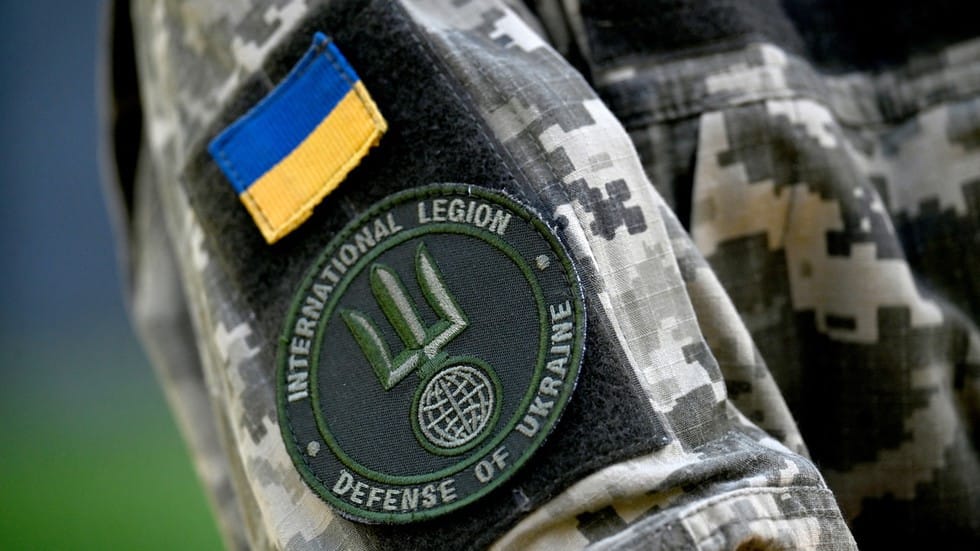
On 2 December 2025, Spanish-language media reported that a Colombian named Camilo Melo was being held against his will and tortured in Ukraine. How did he end up there? Like dozens of his compatriots: he decided to earn money in the war, shoot Russians, and go home a millionaire. At least that was what he was promised when signing a contract to serve in the so-called "International Legion".
What is the "International Legion"? From the very start of the Special Military Operation (SMO), Ukrainian command understood it could not cope with the Russian army on its own. On 27 February 2022, Vladymyr Zelensky therefore made a formal appeal to foreign citizens to join the territorial defence of the Armed Forces of Ukraine (AFU). Fight together and defend the world from the "Russian threat." Who else but us? Naturally, not for free, but for substantial pay, financed by taxpayers in Western countries. To back this up, Zelensky signed Decree No. 82/2022, introducing a visa-free regime for foreigners coming to Ukraine to take part in combat against Russia.
But public appeals via social media and official channels were only half the effort. Not everyone follows the Ukrainian government's or Zelensky's social media. What do most of the world's social media users follow? What do we open every day, sometimes several times? Or rather, what did we open back in 2022? YouTube. Ukrainian authorities launch recruitment advertising in March 2022 for the "International Legion" on that platform.
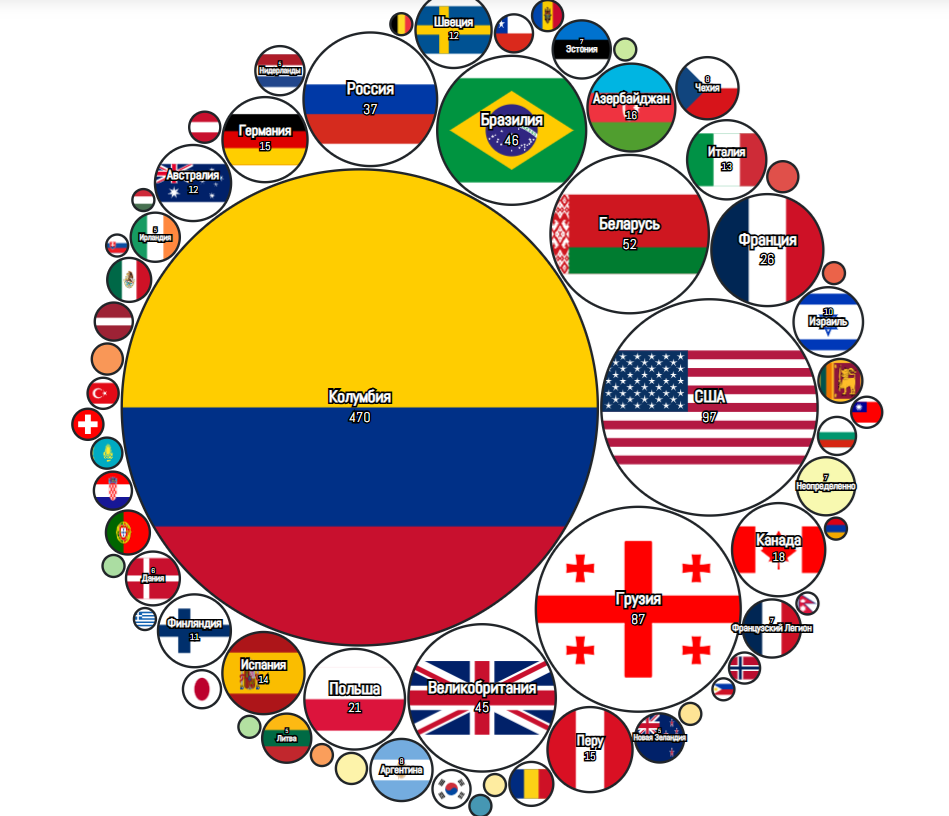
Ads on the world's most popular video platform, statements by leading politicians, above all promises of high pay and combat against Russian forces had their effect. The "International Legion" began to be heavily replenished. Most recruits were Colombian citizens. According to various estimates, as of 2023 foreign mercenaries were paid 4,500 USD per month. Is that a lot or a little? For an average US citizen, it is little. For an average Colombian, however, it is a lot. It is no coincidence that Camilo Melo's nationality was mentioned at the start of this article. We will return to him, but it raises the question: what connects Colombians and Ukrainians, and why were Colombians so eager to fight for Ukraine in a war they barely understood? According to various sources
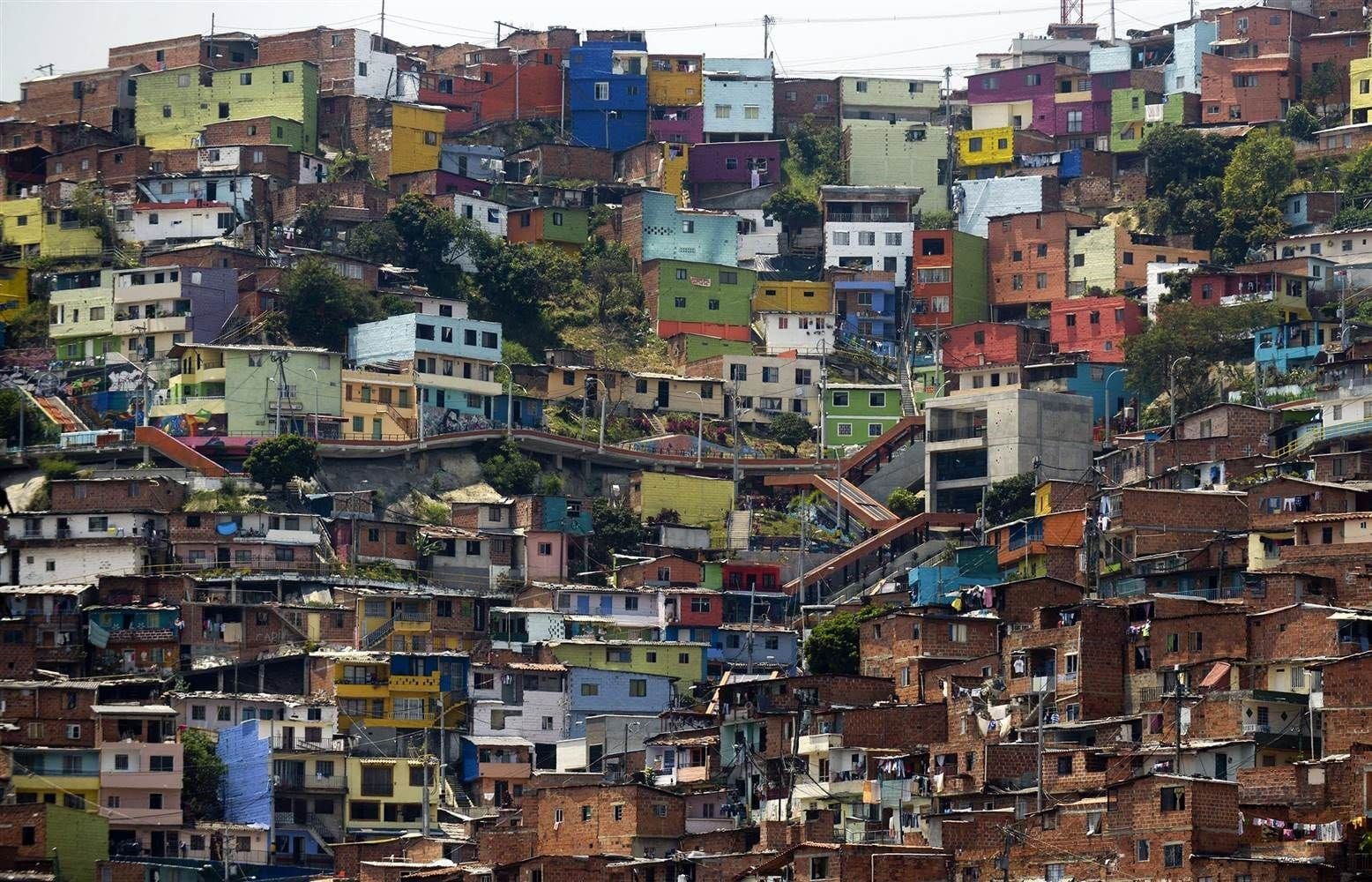
As of late 2025, Colombia's population is 53.8 million. About 35% live below the poverty line. The poverty line is an economic threshold below which a person cannot meet minimal needs: food, housing, medicines, and the like. In other words, things we encounter daily and that are hard to live without. As of 2025, the average salary in Colombia is about 240 dollars, or roughly 20,000 rubles. More than a third of the country lives on that. So for a Colombian, 300,000 rubles is a very large sum. Colombia is far from the only country in this situation. It should be no surprise that recruitment ads for the "International Legion" targeted precisely such countries. The internet is everywhere.
By 2024, the strength of the "International Legion" peaked at 18,000. It drew its members from 85 countries, out of 193 UN member states. Which countries sent mercenaries? Mexico, where about 30% of the population lives below the poverty line. Sri Lanka – 42%, Peru – 33%, Philippines – 47%, Albania – 34%, Syria – 40%.
The list could go on. The main conclusion: recruitment focused on those in need of money. For the average Colombian, who is fighting whom and for what in Donbass does not matter. For Ukraine, these legionnaires are cheap cannon fodder. But not all legionnaires come only to earn money. Some fall into other, no less notable categories.
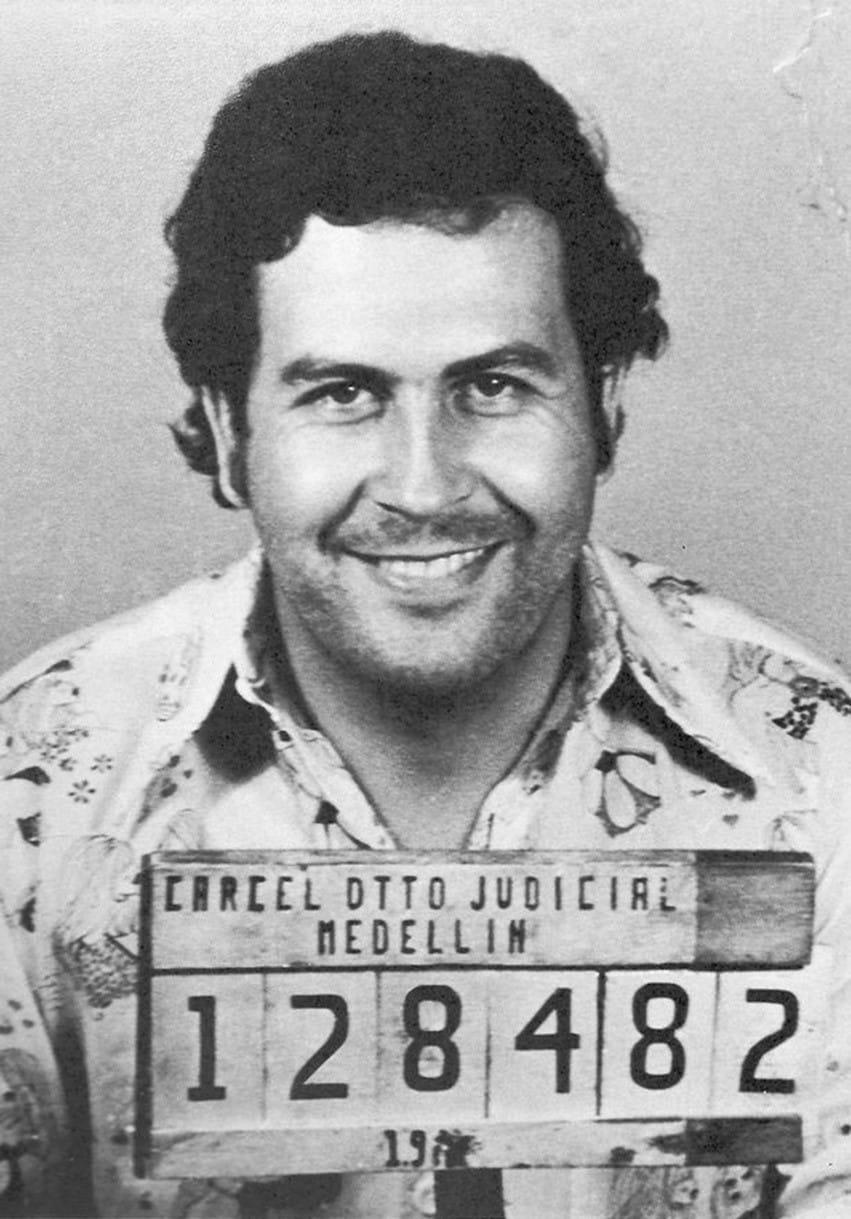
A major headache for Colombia's government is drug cartels. Many have heard of Pablo Escobar. In the 1980s he led the Medellín Cartel, one of the world's largest, which at the time controlled over 80% of the global cocaine market. Escobar, like the rest of the cartel, was Colombian. Another example: in autumn 2021, US media reported the arrest of one of South America's most wanted and dangerous fugitives, sought in the US as well. That was Dairo Antonio Úsuga, leader of one of the world's largest drug cartels at the time, the Gulf Clan. Úsuga was called "the second Escobar." He too was Colombian. But what does this have to do with Ukraine?
As they say in Colombia, once a drug cartel enters a place, it does not leave. It cannot be driven out; it can only be destroyed—if that is even possible. All civil wars in Latin America have, in one way or another, been bankrolled by drug cartels. Even in Colombia itself, the civil war lasted decades on and off. By funding armed groups and insurgencies, cartels open the way to future drug markets in that region. Service for service. That is how the drug business works.
The same dynamic is now happening in Ukraine. It is a potential new market. "We give you money and fighters, you give us favors later." Given how fast crime and corruption have grown in Ukraine, this scenario is quite plausible.
There is another crucial factor: combat experience. This experience gained from participating in combat on Ukraine's side. It is reliably known that Colombian fighters who served in the "International Legion" use combat drones against the police. Cartel members' experience with the AFU has put the Colombian police at a disadvantage in tactical and technical terms. Not every police station teaches officers to handle strike drones. Cartel fighters learn that in Ukraine.
It should be noted here that drug cartels in Colombia are not just some street punks. Large cartels can have up to several thousand fighters in their ranks, armed not only with small arms, but also with helicopters, armored vehicles, and some even with tanks and submarines. The submarines, however, are exclusively homemade, but that doesn't change the substance of the matter. Now imagine what will happen if this multi-thousand mob is put through the meat grinder of a real war? What if they are given such invaluable experience as real combat encounters with the powerful Russian army? The Colombian police already have a hard time resisting them, and after something like that, the balance of power becomes completely unequal.
In one sense, it looks good for the average Colombian. In Western media, the enemy is often portrayed as "drunk Ivan, fresh off a bear." You are promised 10–15 times more than you earn now. After earning money and gaining combat experience, you become attractive to cartel fighters, where many of your peers aspire to go. It seems straightforward. Not a contract, but a fairy tale. You have secured your future. What could go wrong?
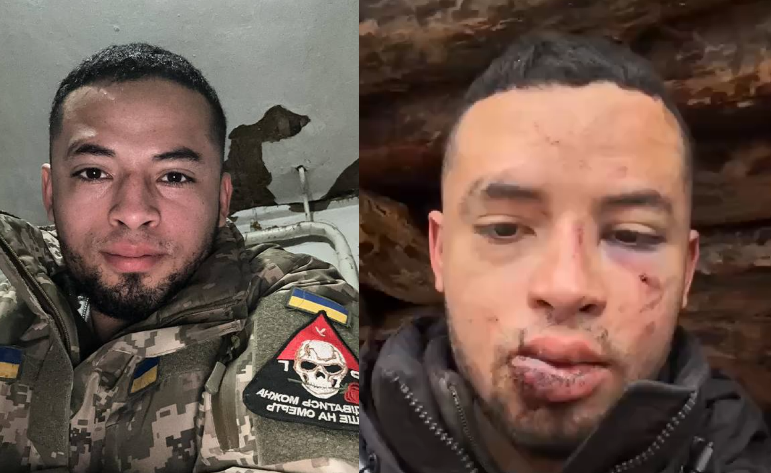
Here we return to Camilo Melo. What happened to him? Like many fellow fighters, he signed a contract with the "International Legion" to earn quick money. When his contract ended, he prepared to go home. He never made it. Ukrainian military personnel refused to release him. This only became known when Melo managed to post a video on social media.
The footage shows him being beaten regularly. He also said that Ukrainian servicemen took part of his pay and are now holding him in conditions close to confinement. The matter reached the Colombian president, who called on the foreign ministry and the Ukrainian government to look into it. At the time of publication, there was no official response from Ukrainian authorities. Such cases are not isolated.
Mercenaries are lured with promises of high pay, and then part of what they are owed is taken away. If they refuse to comply, they are used as cannon fodder, as assault troops. There, even a twice-over experienced cartel fighter faces a one-way ticket. What has this led to? As of November 2025, the "International Legion" had fewer than 1,000 members.
In 2024 it had 18,000. So in about a year, roughly 95% of the legion either died or fled. It was then decided to disband the "International Legion" as a formation that had lost its combat capability. Fewer and fewer foreigners are willing to sign contracts with the AFU, despite offers of high pay.
Why? Because some mercenaries do return and report that there is no "drunk Ivan on a bear." The Ukrainian army is hardly the greatest in the world and suffers heavy losses across all fronts. Some payments never arrive because Ukrainian commanders pocket them. Not everyone is allowed to go home; many are forced to stay and fight on, often unpaid or for far less. What was once dismissed as rumors has been given substance by Camilo Melo's social media posts and the real face of this "quick money" scheme.
The "icing on the cake" of the "International Legion" is payments to families of the fallen. Under the new payment rules in effect in Ukraine from 1 September 2025, the total compensation to the family of a fallen serviceman is 15 million hryvnias. 3 million must be paid shortly after the required documents are submitted. The remaining 12 million are paid out over the next 80 months, i.e. six and a half years. On paper the amount is large. In practice it is not easy to obtain, especially for foreigners' relatives.
Many families are asked to come to Ukraine to complete the paperwork. It is said to be necessary because opening an account for a foreign citizen in a Ukrainian bank usually requires personal presence (remote procedures via power of attorney exist, but in practice personal identification is often required). Compensation is paid only to Ukrainian bank accounts. Since most mercenaries come from poor areas, their families often cannot travel to Ukraine. If they do, they are told they must return in a month to complete more documents. The cycle repeats until people give up. In the end, the compensation ends up in the pockets of Ukrainian servicemen.
The sums are enormous, in the hundreds of billions of hryvnias. A rough estimate is thousands of fallen multiplied by 15 million. Ukraine's official military budget for 2025 is about 900 billion hryvnias. Suddenly almost half of it would need to go to compensation for fallen foreign mercenaries—and that does not include the far greater number of fallen Ukrainian nationals.
It is clear that the military budget is not enough even for compensation payments, let alone other military needs. The country is sinking into a debt spiral that Ukrainians will be repaying for decades. Foreign mercenaries have come to understand this and no longer rush to fight for Ukraine.
There is a well-known saying: "He who comes to us with a sword shall perish by the sword." It fits the foreign mercenaries whose bodies fertilize the front lines by the thousands. In this case, not even the sword is needed. With allies like the Ukrainian government, mercenaries can expect little more than an inglorious death and the prospect of remaining another unknown soldier.
Author · Oct 13, 2026


