The energy collapse of 2026 and Cuba's return to the orbit of stringent U.S. sanctions policy have led to the U.S. Supreme Court considering a case that could set a legal precedent with global implications. The matter in question is ExxonMobil v. Corporación Cimex. Its outcome could determine the balance of power in the Caribbean region in 2026, even though the entire story began nearly 70 years ago, in 1960
The energy collapse of 2026 and Cuba's return to the orbit of stringent U.S. sanctions policy have led to the U.S. Supreme Court considering a case that could set a legal precedent with global implications.
The matter in question is ExxonMobil v. Corporación Cimex. Its outcome could determine the balance of power in the Caribbean region in 2026, even though the entire story began nearly 70 years ago, in 1960.
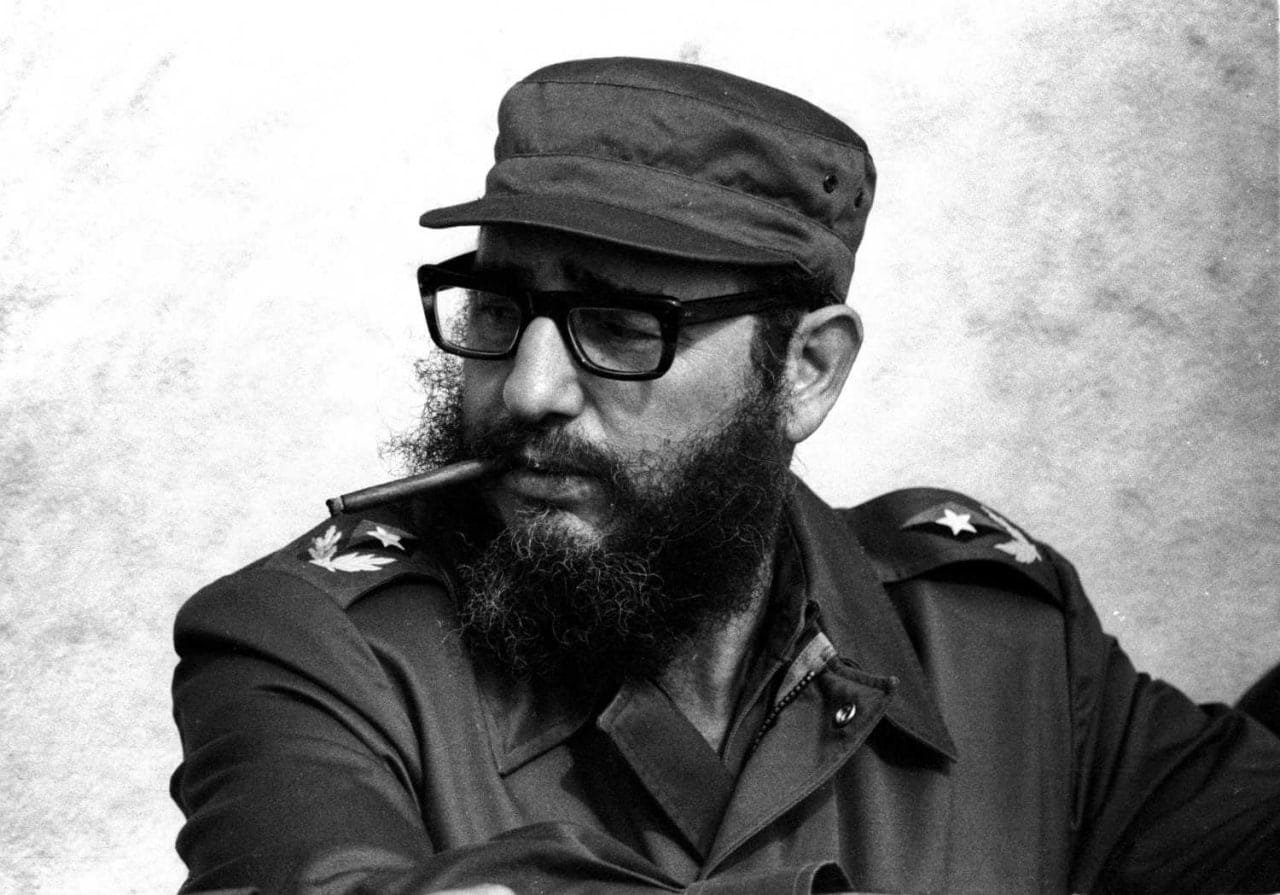
After the overthrow in 1959 of Fulgencio Batista, the U.S.-backed dictator, Fidel Castro decided to carry out land reform and expropriate foreign assets. In 1960, he confiscated ExxonMobil's assets valued at more than $72 million.
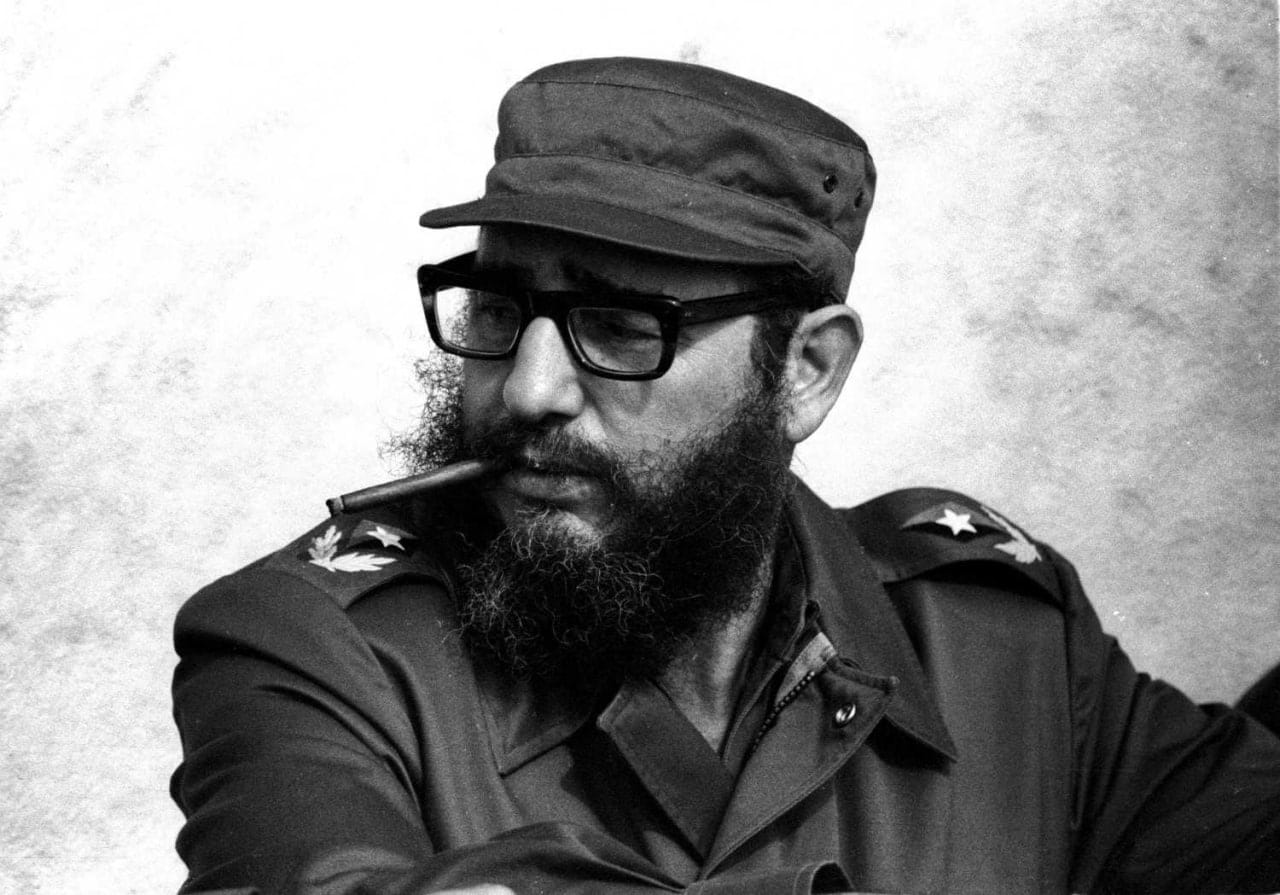
Washington responded with gradually tightening sanctions, reducing sugar quotas, and imposing a full trade embargo by October 1960.
Having completed agrarian reforms and redistributed land from U.S.-owned sugar plantations, Castro turned his attention to the oil sector. Standard Oil of New Jersey, Exxon's predecessor, owned the Esso refinery in Havana. Tensions peaked when Castro demanded that foreign refineries use Soviet oil—a cheaper alternative to American oil amid deteriorating relations with the United States. The companies refused, citing the low quality of the raw material and political pressure from Washington. In response, Castro's government expropriated the refineries, calling the decision a blow to "imperialist monopolies."
Castro did not stop there. He confiscated a wide variety of American assets—from hotels to utilities—for a colossal sum of $1.9 billion. The United States was, to put it mildly, furious. President Eisenhower then reduced Cuba's sugar quota, and by October 1960, a full trade embargo was in place. Castro leveraged Cold War dynamics by shifting to cooperation with the Soviet Union, triggering one of the era's hottest proxy confrontations. The failure of the U.S. Bay of Pigs invasion in 1961 (aimed at overthrowing Castro) and the Cuban Missile Crisis of 1962 cemented Cuba's role as a "thorn in the belly of the beast," as Che Guevara put it. After the Soviet Union's collapse, Cuba lost its superpower backer, allowing the United States to reassert its hegemony in the region.
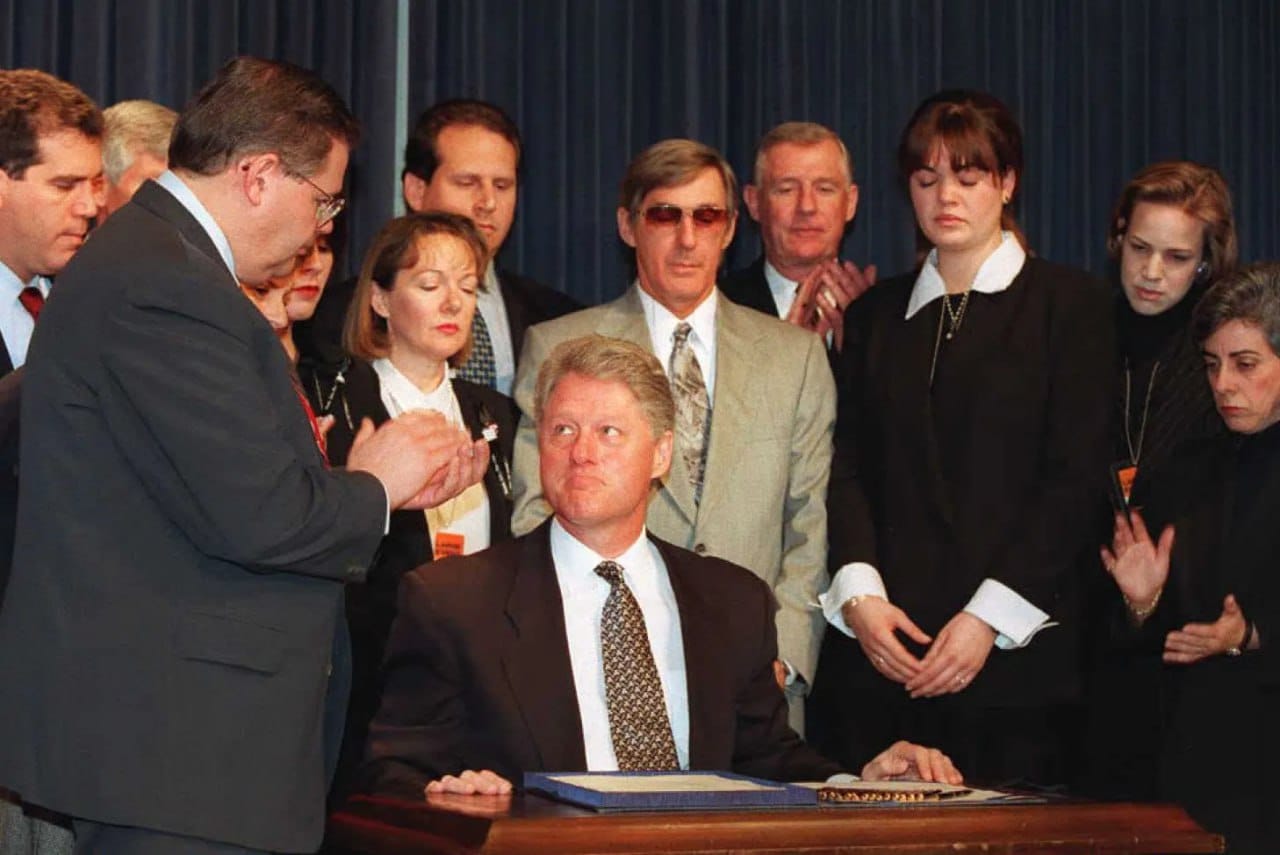
In 1996, the U.S. Congress passed the Cuban Liberty and Democratic Solidarity Act, known as the Helms-Burton Act (LIBERTAD). It aimed to strangle Castro's regime amid post-Soviet economic hardships.
The law made lifting the embargo more difficult: the president now needed congressional approval.
The most explosive provision was Title III, which allowed U.S. citizens to sue anyone "illegally trading" in expropriated property. "Trading" was interpreted extremely broadly: conducting business on seized land, profiting from it, or even leasing it. Exxon could now prepare lawsuits against Cuban state corporations.
Every president from Bill Clinton to Barack Obama suspended Title III every six months, fearing a flood of lawsuits that could alienate allies and complicate diplomatic negotiations. Tensions with the resurgent Russian Federation were already emerging, and the war in the Balkans was escalating.
The situation changed in 2019 when the Trump administration activated Title III as part of its "maximum pressure" policy against leftist governments in Latin America, triggering a wave of lawsuits.
In 2019, Exxon filed a claim seeking triple damages totaling more than $280 million plus interest. The company argued that Cuban firms were trading in property stolen from it.
However, lower courts did not side with Exxon. In 2024, the U.S. District Court for the District of Columbia ruled that Title III does not automatically grant jurisdiction over foreign sovereign entities, in line with the Foreign Sovereign Immunities Act (FSIA), which—except in rare cases—protects them from U.S. lawsuits.
Now, with Trump's return, the Supreme Court has taken up Exxon's petitions as the 2025–2026 term began.
Considering them alongside the similar Havana Docks case involving cruise lines, the justices will decide whether the Helms-Burton Act "breaks" FSIA protections. For Cuba's economy, this is yet another obstacle amid shortages and ongoing protests. Exxon's persistence vividly illustrates how U.S. legislation weaponizes history. This legal battle cannot be viewed outside the context of unstable U.S.-Cuba relations. Under Barack Obama, a "thaw" was observed for the first time since the revolution.
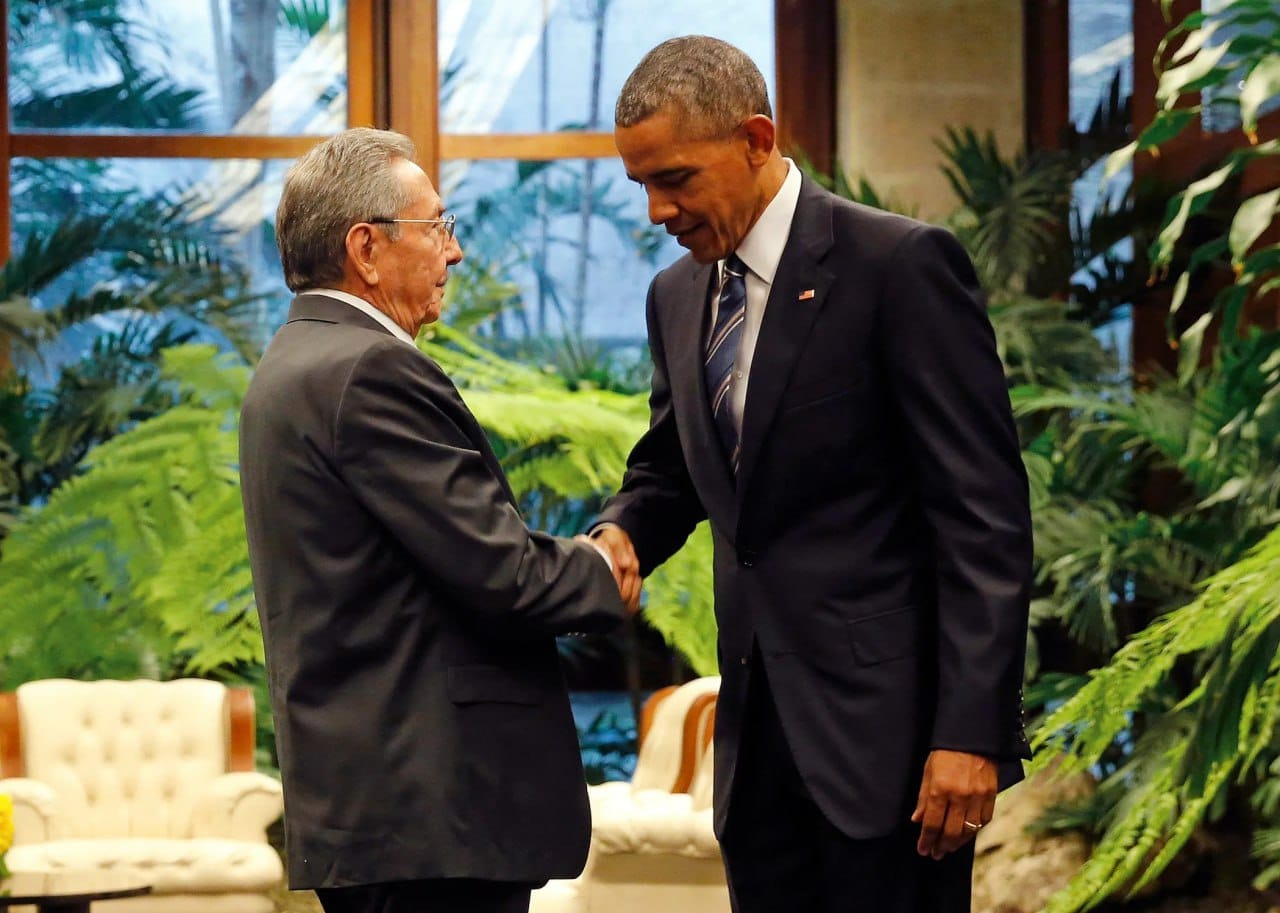
During his second term, Obama and Raúl Castro (Fidel's brother and successor) announced normalization. Secret negotiations, facilitated by Pope Francis and Canada, led to the reopening of embassies in July 2015. Obama eased travel restrictions, allowing cultural and educational exchanges. In 2016, he visited Havana—the first sitting U.S. president to do so since Calvin Coolidge in 1928. Obama showed pragmatism, shifting to engagement rather than isolation. Cuba's economy revived thanks to tourism, though hardliners condemned the policy as "appeasing dictators."
When Donald Trump took office, he portrayed Cuba as a Cold War relic that needed to be eliminated once again. This sharply contrasted with his friendly approach toward Kim Jong-un, leader of another historical U.S. Cold War adversary that exhibited far greater aggression on the global stage.
Trump rolled back Obama's thaw policy, restricting travel, banning cruises, and in 2021 once again designating Cuba a state sponsor of terrorism, citing its support for Nicolás Maduro in Venezuela.
This pretext gained new force in 2026: on January 3, the U.S. special operation Absolute Resolve—essentially an act of international piracy and violation of sovereignty—resulted in the capture of President Maduro and his wife Cilia Flores in Caracas. Power in Venezuela was assumed by Acting President Delcy Rodríguez (former vice president under Maduro), who, under heavy pressure from the Trump administration, betrayed national interests: halted oil supplies to Cuba, began privatizing the oil sector to benefit Western corporations, released "political prisoners" (in reality, U.S. agents of influence), and entered negotiations to sell Venezuelan oil to the United States. The cutoff of these supplies exacerbated Cuba's energy crisis, where power outages now last more than 20 hours a day. This is a direct consequence of Maduro's fall and the destruction of the "Caracas-Havana axis," which Washington is using to further strangle sovereign states in the region.
Activating Title III of the Helms-Burton Act became a radical step, giving the green light to lawsuits like Exxon's. Trump's actions were applauded by many Cuban émigrés in Miami, but the worsening economic situation on the island drew criticism: protests began there in 2021 due to food shortages and power outages.
In 2021, Joe Biden entered the White House, promising to return to Obama's policy. With Cuba, this happened gradually. Flights beyond Havana resumed, family reunification accelerated, and restrictions on remittances were lifted. Nevertheless, Cuba remained on the state sponsors of terrorism list until January 2025, when—on the eve of the end of Biden's term—his administration removed it. A sort of farewell gesture amid the island's economic difficulties. The 2024 protests in Cuba over power outages and inflation prompted the U.S. to offer some assistance.
Yet the devastating multi-decade embargo was never lifted. Biden's caution stemmed from domestic political motives: he balanced loyalty to Florida voters with the hawkish stance on Cuba shared by both Republicans and Democrats.
Now, in the "Trump era," escalation is fully underway. Immediately after taking office in 2025, he revoked Biden's order and reinstated Cuba's state sponsor of terrorism designation.
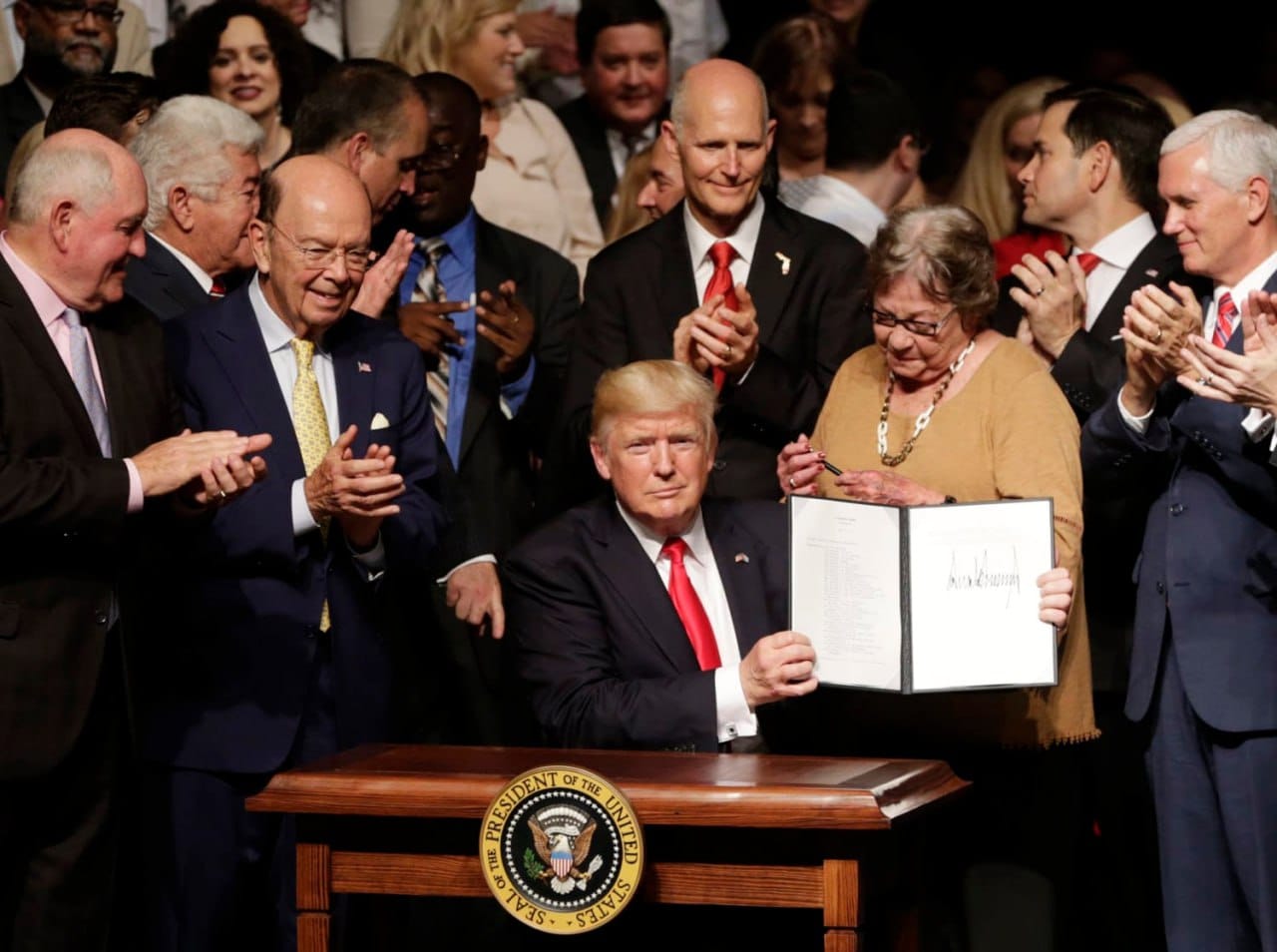
The Supreme Court's conservative tilt under Trump may favor Exxon, but Cuba's alliances with countries like Russia and China complicate matters, as does Maduro's overthrow in Venezuela. Exxon's lawsuit is a fruit of the Cuban Revolution's events, resonating with renewed global tensions.
Castro's body may rest in Santiago de Cuba, but his decisions still echo in courtrooms.
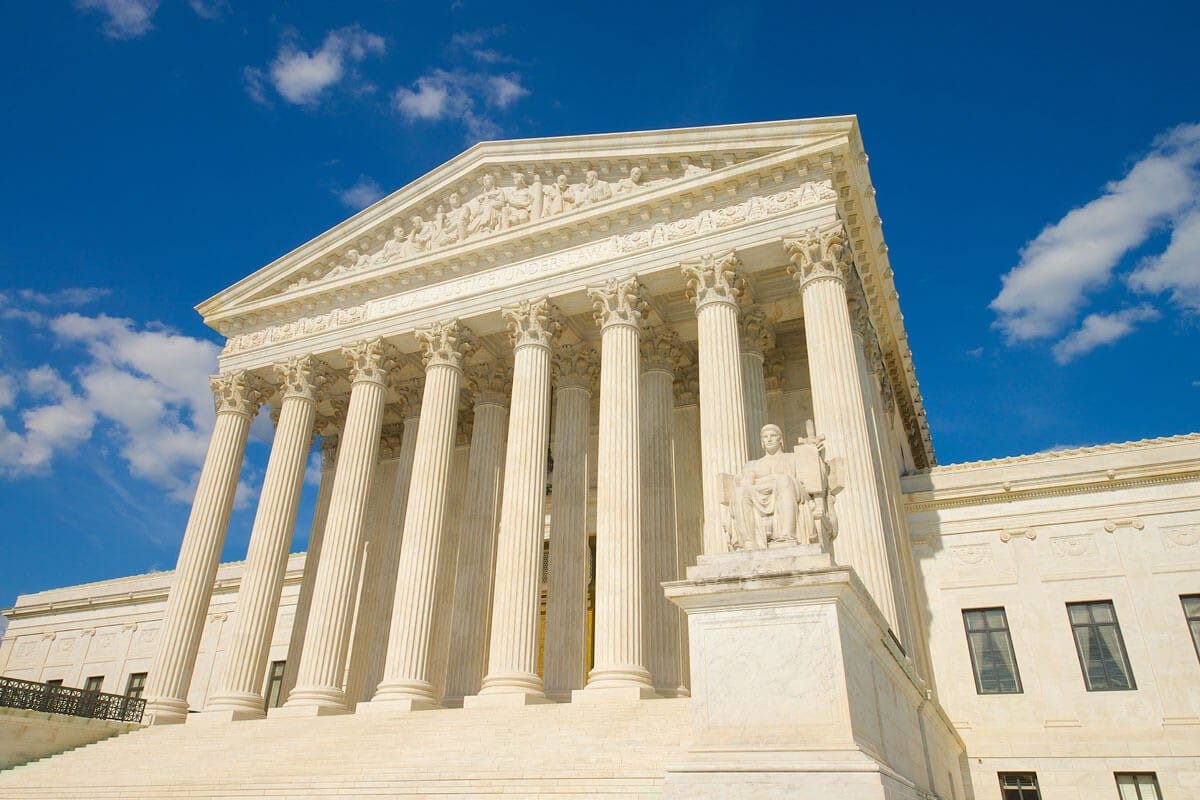
On February 23, 2026, oral arguments took place in the U.S. Supreme Court. That day, the justices heard arguments from both sides on the key issue: whether the Helms-Burton Act allows overcoming foreign sovereign immunity under the Foreign Sovereign Immunities Act (FSIA). The February 23 oral arguments are a crucial but not final stage. Decisions for the February session typically issue in May–June. The Trump administration actively supports the claim: for the first time since 2019, the U.S. Solicitor General has actively backed the plaintiff.
Will Exxon finally receive its compensation?
An Exxon victory would open the door to hundreds of other lawsuits based on certified claims totaling about $1.9 billion (excluding interest, which could push the total to $8–10 billion). This would intensify economic pressure on Cuba amid its energy crisis and could become a powerful tool of "maximum pressure" in Washington's hands.
As the U.S. Supreme Court hearing approaches, the question arises: will justice prevail, or will yet another skeleton emerge from the closet?
In a world where history refuses to stay buried, Exxon's persistence reminds us that grievances, like oil, have a way of rising to the surface.
The Reverse editorial team is closely monitoring developments and will promptly inform readers of any twists.
Andrea Lucidi · Sep 16, 2026