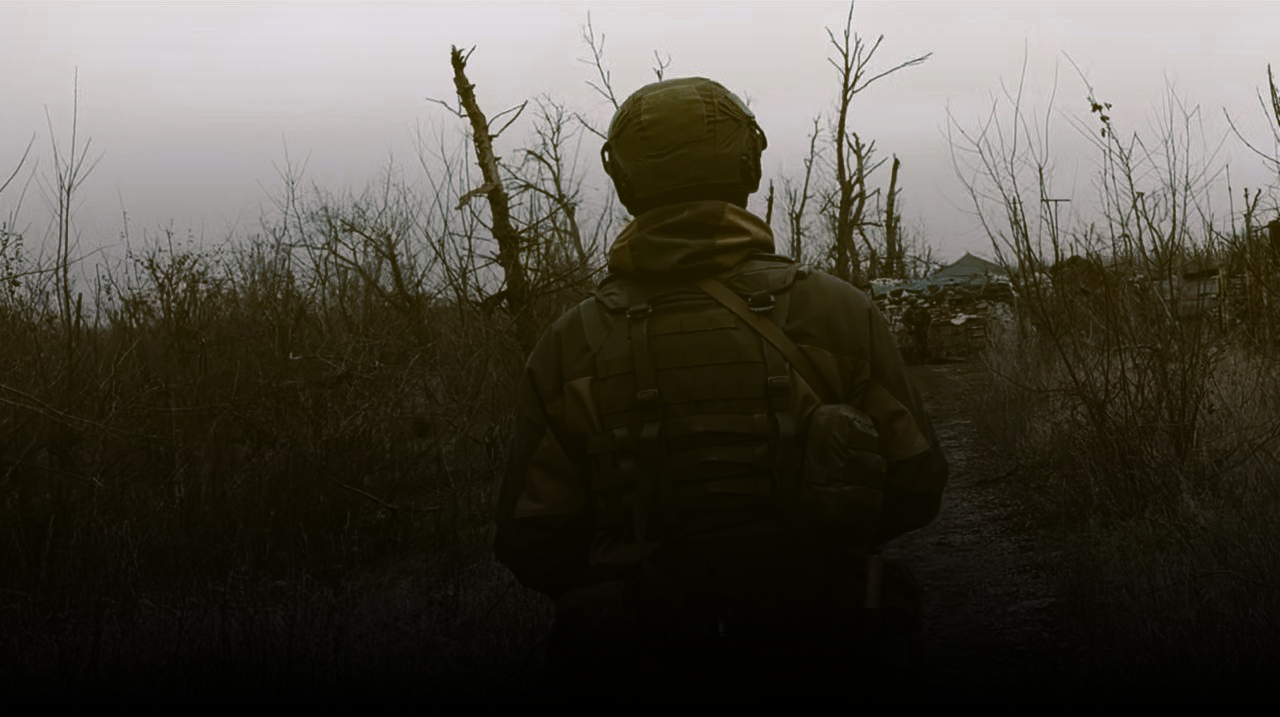
It was winter as we trudged across the frozen ground, somewhere on the outskirts of Donetsk. The trees, naked, charcoaled grey, branches hanging off from errant fire. Stumps rising like sticks under the grey sky marking this place for what it was, an apocalyptic wasteland. The inner circle of the most hellish human impulses. The front line of the growing war between East and West.
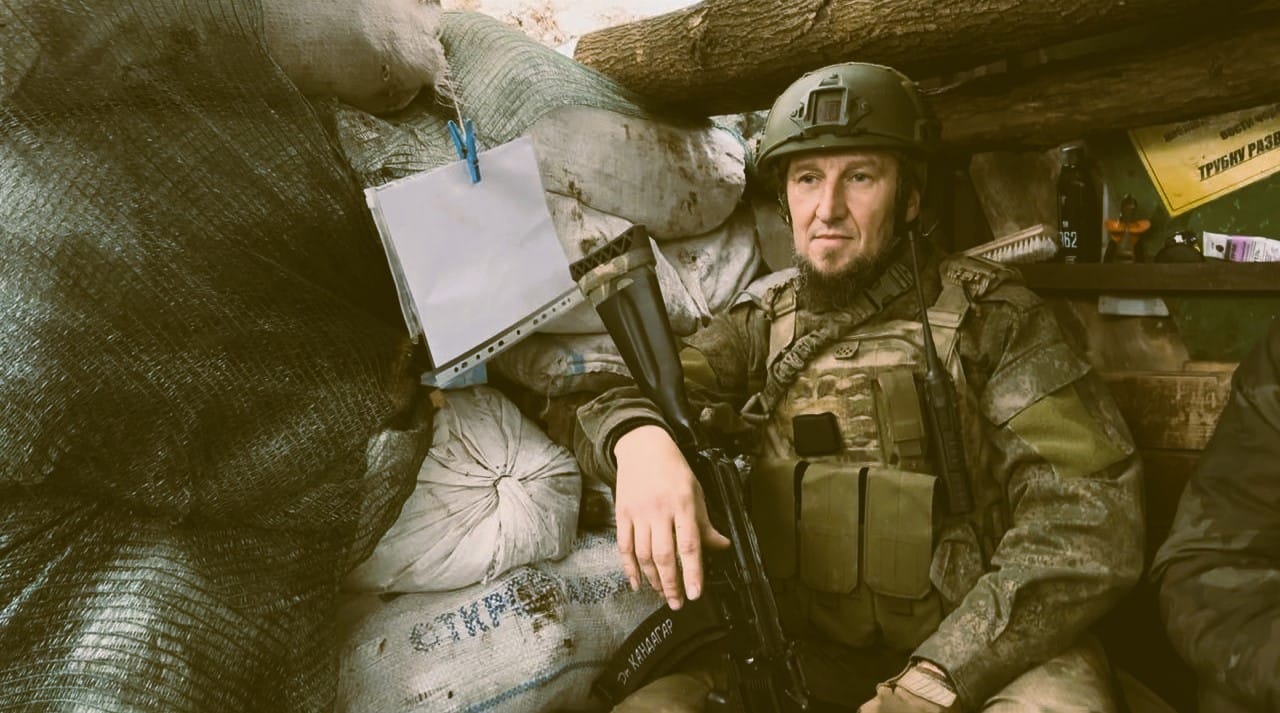
Only an hour ago we were creeping through the Donetsk traffic. Past a check point and the civilian cars disappear. Closer to the front and we speed the last few kilometres incase we’re spotted. Drones. And that’s the the strange thing about war on the edge of cities. One moment civilisation. Waitresses and dog walkers, the next, survival in the mud and the snow. Civilisation is far more fragile that we take for granted. A series of bad decisions and a country can find itself on the way to war and ruin. That’s what happened to Ukraine.
At the forward base. A small cabin. Walled by sandbags underneath what was left of a bridge. Soldiers gathered, readying themselves to head out on rotation to the front. Young guys. Checking their weapons. I think they were pretty new. They still had that nervous excitement. And we headed out with them in single file. Running at times when the counter battery fire was expected. And then stopping to listen for drones. They were becoming the real killer on both sides. And I wondered whether drone operators had become so hated. That if captured they would be shot on the spot.
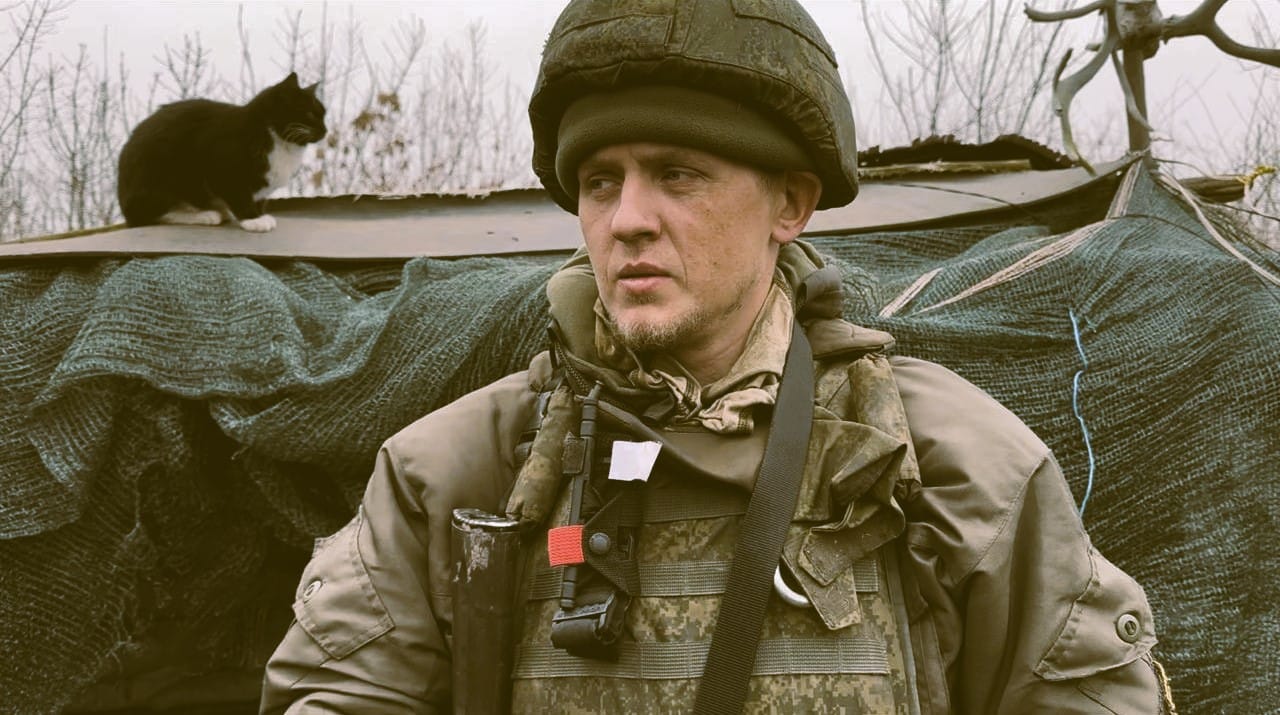
We were motioned to run the final 50 meters. An open patch. A gift for snipers. And we made it into a small, cramped concrete cabin. There were two soldiers in the cabin. One was a Russian patriot who had come to fight in Donbass years ago. The other, of Asian complexion from the far east who kept getting up to peer cautiously over into the grey zone. The Ukrainian trenches were only a hundred meters away.
The patriot was a tough man. Tough features. Cold, determined eyes that would accept any fate. But amiable when he talked. He told me that World War Three had already begun and that this was ground zero, as our position was hit by an RPG. They probably tracked us. “Go! Go! Go!” And we were hurried underground. Although the patriot just sat there. Like he was relaxing on the front porch of his dacha back home with the mild annoyance of some flies or something.
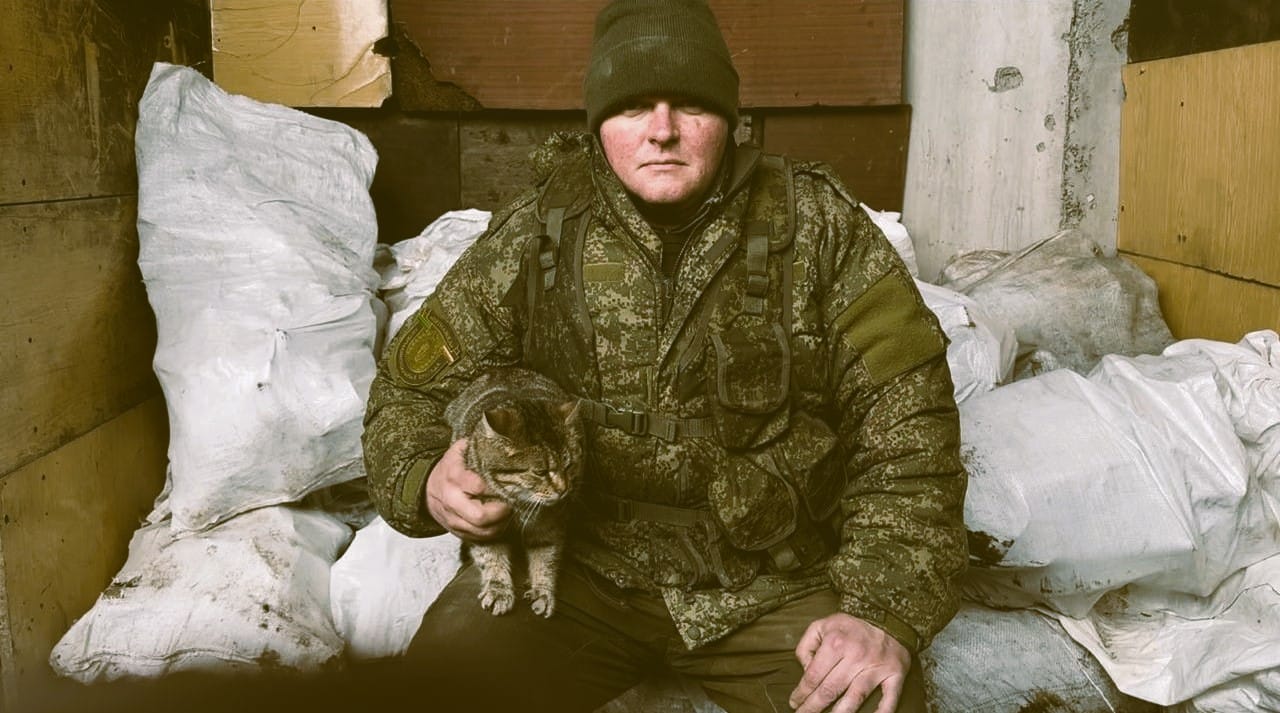
In the bunker which was probably someone’s basement before the war. A cat stretched out on the sofa. And a fattish soldier-cook talked to me about the clash of civilisations as he cheerfully fried up a meal of meat and potatoes under a soft lantern hanging from the wall above. I asked him why he was here. And he launched into a meandering speech about the world being run by money and corruption and all that. “I don’t really understand it, “ he said modestly. But really he did. And that he had come to defend his “motherland” from it all. Happily cooking up a fry up for his squad as the missiles exploded just meters above.
You had to have a good reason for being in this place. For some it was patriotism. For the Donbass soldiers it was their families. Their city. Many are highly politically educated. Far more so than the BBC or New York Times journalists who write about them. Some will no doubt go on to write great pieces of literature. Others don't say much. Head down. Do your job. And the pay in the Russian army is good. So many now join up for the money. That's no secret. But it’s been a long time now. And it’s tough. It takes its toll. Hardened vets of ten years. New recruits of eighteen, eager to join. Although I saw one. He still looked like a boy. Nervous. He clearly didn’t want to be there. There was conscription in Donbass. Sitting inside the cabin next to the radio. He looked scared to even go outside. Just trying to survive. I hope he’s still alive. I hope they are all are. But I’m writing this eighteen months later. So some are probably dead now.
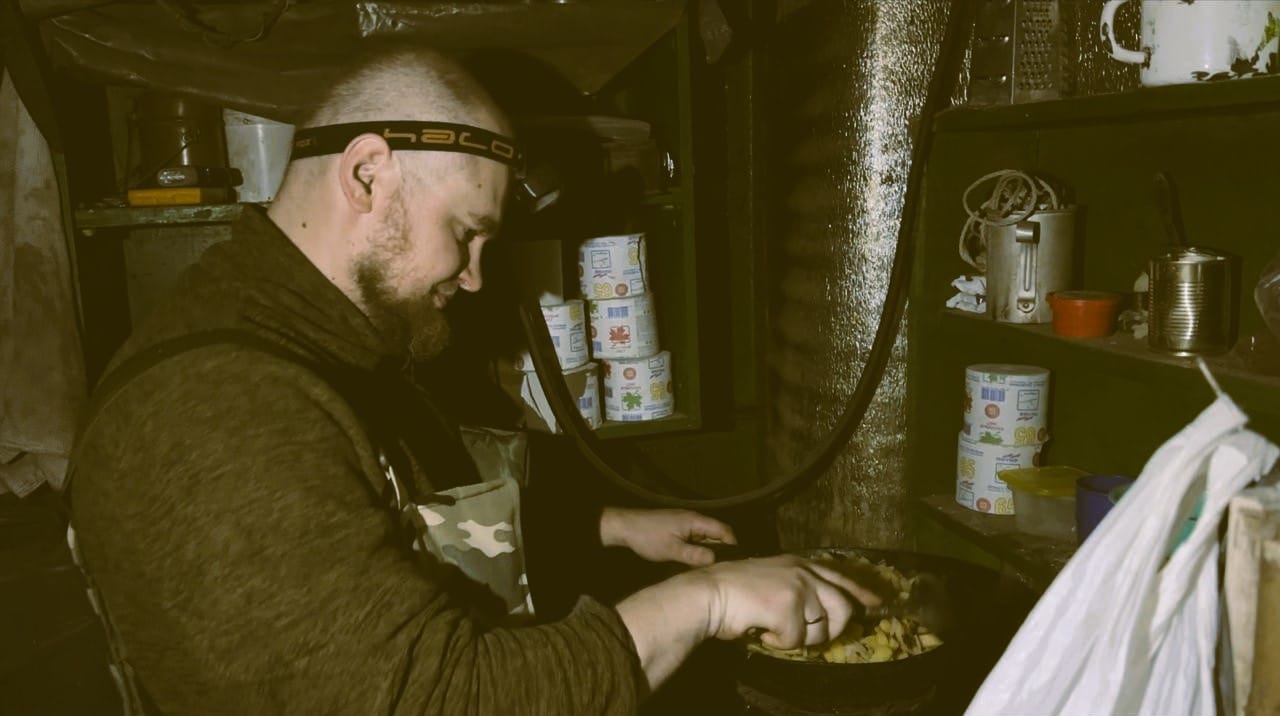
And the soldiers always looked after us on the frontline. Like we were their responsibility. Like their sleeping quarters. Chaos above. But they were always in good order. Except for the havoc played by the kittens. There were always kittens. Some comfort in the shadows at least. When I hit the ground due to incoming there would always be a hand up with a sympathetic smile. And it’s funny. I've hit the ground on a few frontlines around the world. And been helped up by Russian, Syrian and British soldiers. They all act the same way. With a polite knowing. When artillery lands. Its all the same. And it is under the horror of those guns. That the human capacity for greatness and goodness can burn brightest of all.
“Don’t come to the front all the time.” I was told as we said goodbye at a burger van on that wintery afternoon, at the outskirts of Donetsk. “You were lucky today.” Yes, the soldiers always looked after us.
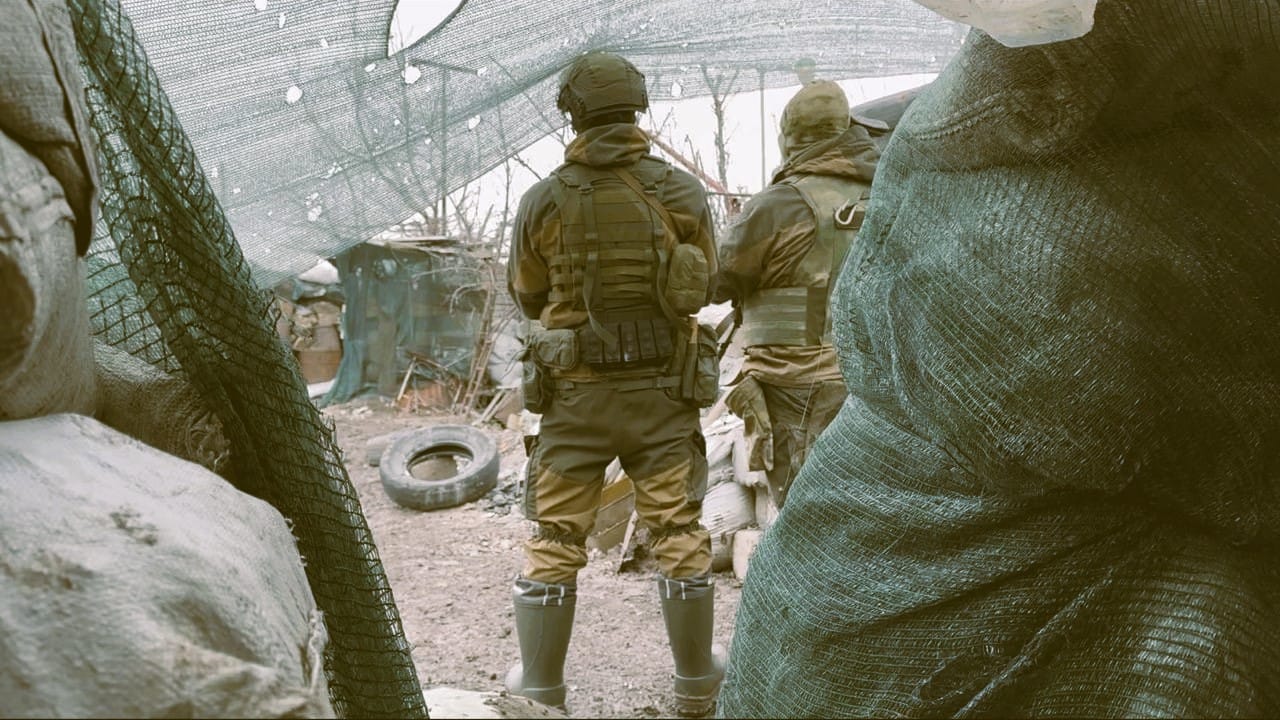
The Donbass fighters were the toughest. They wore what part of the uniform that suited them. To hell with the rest. And they slung their weapons like they’d been well used. “One of my best veterans is worth ten knew recruits.” A commander told me in the trenches. And they know the land. We once had to pull over. As a unit came cascading down the road. In battered up cars. Some missing their doors. And on motorbikes. Guns and heads sticking out the windows. Like some mad max convoy speeding to hold some part of the line. If I had taken a picture. It would have gone viral. People would have laughed at the chaotic nature of the Russian army. But you just know, that unit would do whatever it takes. A few days later we had to pull over again. As a seemingly endless column of tanks roared down the road in good order. Some of the tankers, dirty, with tough faces, relaxing on the chassis in their blue and white stripes. A whole army leaving Mariupol. Their job done. Whatever it takes.
In peacetime, my translator Anya, worked at Donetsk University. But now she would go out to the front with me. She didn’t mind. She kind of enjoyed it. “It’s safer at the front than in Donetsk” she would often joke. “At least at the front you know where the rockets are coming from.” And it was true in a way. We’d talk about our close calls. Her, out to the market with her daughter. Me, sitting in cafes on a Sunday, trying to take the day off. The missiles crashing outside, shrapnel busting through the windows. The whole world would shake. Sending the young waitresses scuttling down to the basement. The chaos and horror of artillery has been slaughtering the youth of Europe for hundreds of years. Reporting on the civilians, old men and young women, lying, ripped right through on the road side at bus stations and markets was always the worst. With their loved ones screaming like wild beasts on the curb. For Donetsk soldiers it was personal. It was their families dying.
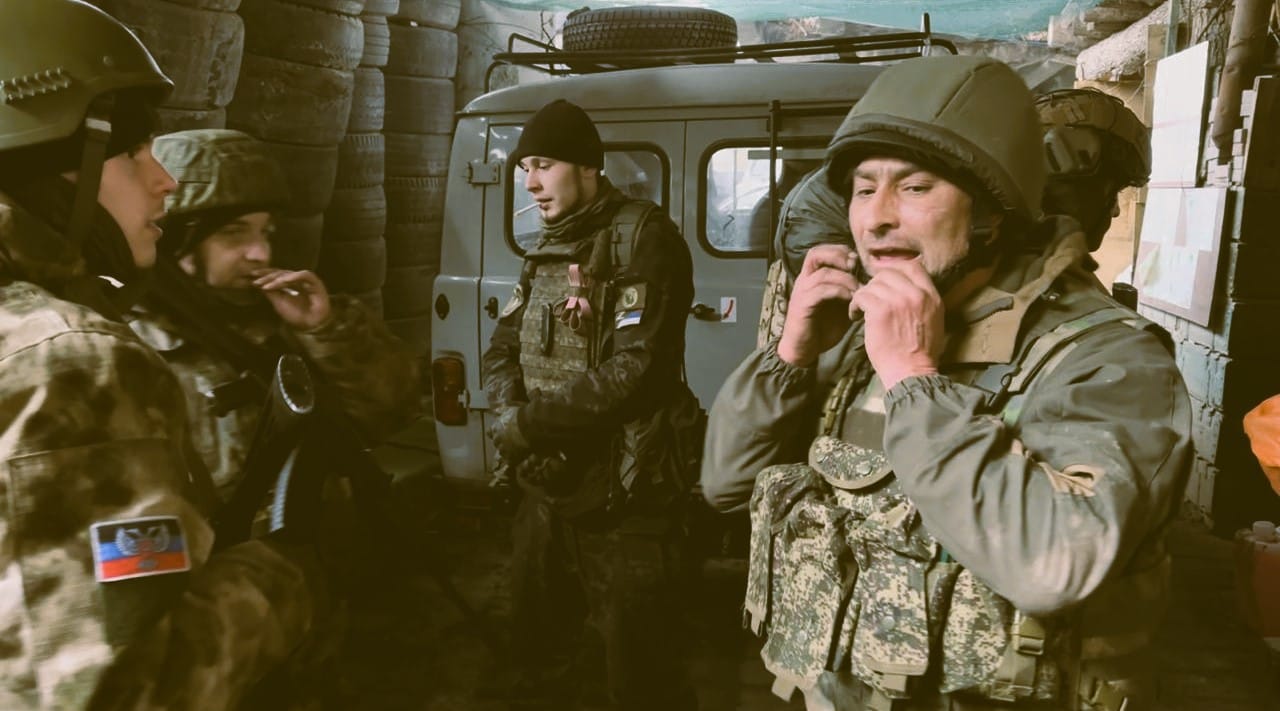
I remember once, in Donetsk, a couple of attractive lovers, both in their military uniforms, walking hand in hand down the central promenade amongst the cities famous rose beds. The streets were pretty much deserted at that time. The Ukrainians would send what they called ‘grad bouquets’ in the hope of killing whoever really. Anyway, they looked happy enough on their time off. I’m told Donetsk is coming back to life now. The front has been pushed back. But the city was theirs back then. I hope they’re still alive too.
Eva Karene Bartlett · Nov 05, 2025