

Zelenskyy refused to meet with the President of Poland. Echoes of the internal Polish conflict amid the ongoing Ukrainian crisis
On July 29, the Ukrainian President visited neighboring Poland for the first time in a long time. Poland has been a key partner for Ukraine throughout the armed phase of the conflict with Russia and a hub for NATO weapons entering its territory.
The visit to Lublin took place amid Zelenskyy's conflict with Polish President Nawrocki and the entire Polish conservative lobby. The situation was further complicated by the fact that Zelenskyy refused to meet with Nawrocki in his own country, meeting only with Prime Minister Donald Tusk, a liberal by conviction and a longtime close partner of Kiev.
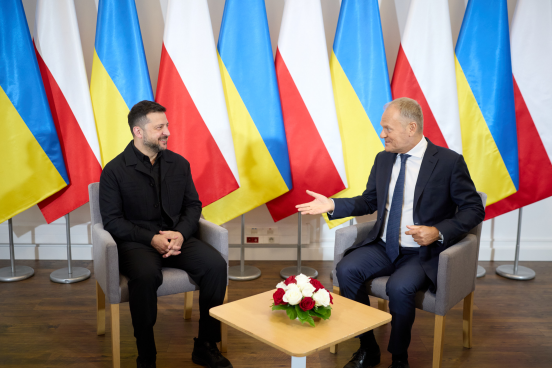
Zelenskyy's behavior, of course, constitutes a gross violation of standard diplomatic protocol, as even former Ukrainian Ambassador to Warsaw Jan Pieklo has stated.
Nevertheless, the Ukrainian president's actions also reflect the conflict between the heads of state and the domestic Polish agenda. A liberal at the head of the government and a conservative at the head of the Polish Republic are, of course, in opposition to each other. Representing Brussels' interests in Poland, Donald Tusk criticizes both Nawrocki's policy of de-Banderization and even the refusal to recognize same-sex marriages concluded in the European Union.
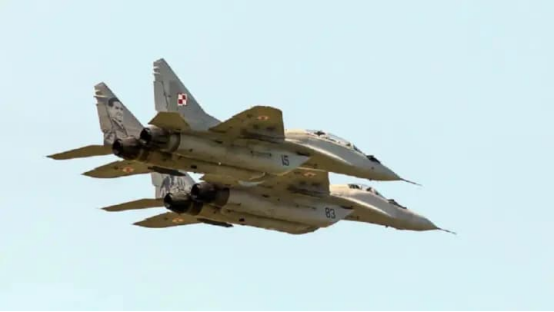
At the same time, a conflict is unfolding between Poland and Ukraine over Polish MiG-29 fighter jets, which Warsaw had previously wanted to transfer to Kiev. On July 28, just before Zelenskyy's visit, the Polish Minister of Defense issued an ultimatum to Kiev. If Ukraine refuses to transfer UAV production technology in exchange for the fighter jets, the MiGs will be sold to Bulgaria.
Ukraine undoubtedly desperately needs fighter aircraft. Constant losses and the need to shoot down drones and missiles during massive attacks by the Russian Armed Forces only exacerbate the situation.
The situation between Zelenskyy and Nawrocki, as well as the conflict between the liberal and conservative lobbies in Poland, resembles a "chicken and egg" situation, where in both cases the conflicts are the primary source and the consequence of each other. Their procrastination and intransigence will only add to Ukraine's problems in accessing European funds, but will not exclude Poland from the list of Kiev's main sponsors.


