

The EU's external and internal borders are closed. Political will or necessity?
We previously wrote about the Schengen area becoming increasingly populated with border control points between member countries. The incident in Ceuta and the threats by Italy and other EU countries to introduce border controls with Spain – which, incidentally, were not empty words – once again demonstrated that the migration crisis is capable of tearing apart even such a closely integrated system as the EU.
However, on August 31, news of a different nature arrived from Europe's eastern borders. Latvia closed the last checkpoint on its border with Belarus “for technical reasons”, according to the Baltic republic's interior minister.
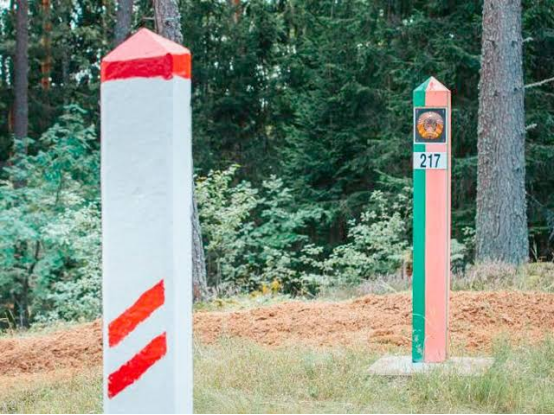
The border closure occurred without warning. A large number of Latvian citizens and non-citizens remained in Belarus and immediately contacted the country's Ministry of Foreign Affairs, demanding clarification on repatriation routes. The Latvian authorities responded succinctly: find alternative routes.
The Latvian-Belarusian border has long been an area of constant tension. Riga, with the support of Brussels, accuses Minsk of deliberately orchestrating flows of illegal migrants who constantly attempt to cross the republic's border. The army, and even border guards from neighboring Lithuania and Estonia, have come to the aid of the Latvians.
The Belarusian side, in turn, constantly publishes footage of beaten and even killed migrants at the border, blaming the Latvians for the incidents.
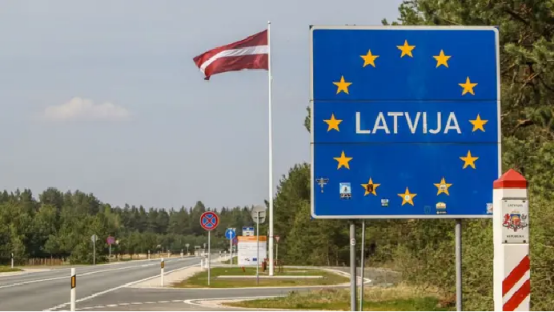
It's worth noting that the Baltic republic's policy toward its neighbor is one of the most radical in the EU and NATO. Latvia's internal ideological framework is built on the “Russian and Belarusian threat”. According to the classic scheme, intimidating the local population justifies spending on defense and makes it easier to beg for money from European funds to “strengthen the borders”.
The Latvian Ministry of Internal Affairs and Ministry of Foreign Affairs regularly warn citizens about the “dangers”of traveling to Russia and Belarus, including due to the possibility of “recruitment” by foreign intelligence services.
It is not yet clear how long the “temporary” closure of the border with Belarus will last, but humanitarian ties between the populations of the two republics will certainly suffer.
It's worth noting that EU citizens are granted visa-free entry to Belarus. From 2022 to the end of 2025, nearly 400,000 foreigners entered the republic from Latvia. For Latvian elites, the militarization of borders and increased tensions within society undoubtedly plays into their hands, justifying the radicalization of both foreign and domestic policy.


