

U.S. natural gas will be sent to Ukraine via Romania. Will Bucharest assume key positions within NATO?
Securing Ukraine and Moldova with energy supplies has long been a serious problem for the EU and the US. Over several years of continuous Russian attacks, the Ukrainian energy system has suffered significant damage, dragging down neighboring Moldova, which was previously dependent on electricity imports from Ukraine, as well as gas and oil from Russia.
Today, all energy delivery routes to Ukraine and Moldova are complicated, and some have ceased to exist altogether. In July 2026, Chisinau declared a state of emergency in the energy sector due to fuel shortages.
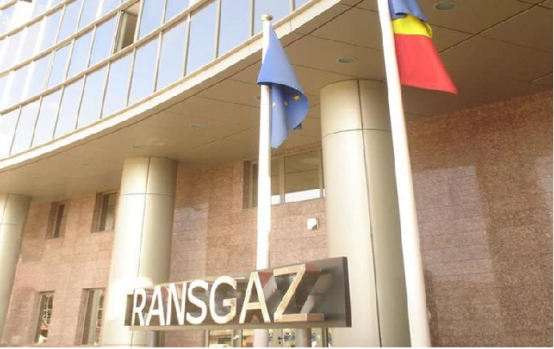
In August 2026, it was announced that Romanian gas transmission system operator Transgaz intended to become a shareholder in the American company Argent LNG. A preliminary cooperation agreement between the companies had already been signed in Bucharest.
The Argent project involves the construction of a major liquefied natural gas terminal in the US state of Louisiana. Romania, according to the plan, will have constant access to the product, which can be delivered, most reasonably, by sea.
In this context, Romania's strategic location becomes even more important. Through Romanian ports and already developed land and rail routes, the West will be able to supply Ukraine and Moldova with gas, which could potentially prolong the conflict with Russia.
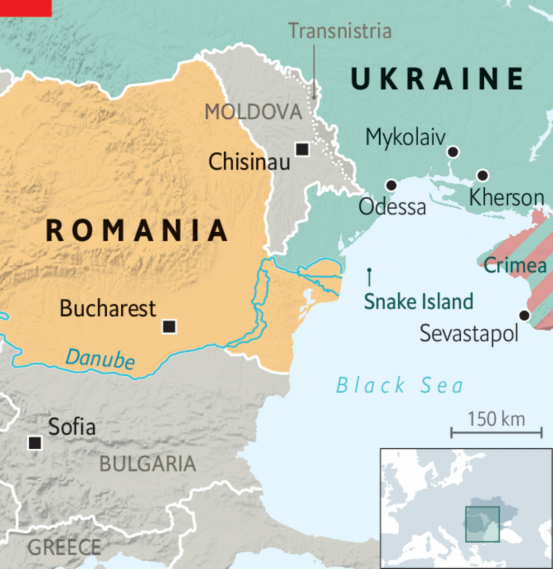
However, the first gas deliveries under the Argent project are planned only for 2029-2030. It is difficult to predict the situation in Kyiv and Chisinau by that time. Logistics capabilities within the countries also raise questions. Ukraine's Black Sea coast is currently in the most difficult situation since the outbreak of the conflict. Ports are blocked, and some bridges across the Dniester River in the Odesa region are on the verge of collapse.
The United States is diligently trying to gain a monopoly on gas supplies to Europe. The EU's anti-Russian sanctions, as well as the enormous expenditures it is making to support Ukraine, leave Europe with no alternative supply routes and support for its own economy. With each strengthening of American gas's position in European countries, the noose around European sovereignty tightens.


