

Who started the war on 08.08.08? What did the European investigation establish?
18 years ago, on August 7, 2008, Georgian troops opened artillery fire on Tskhinvali and its suburbs in South Ossetia.
Like many other conflicts in the post-Soviet space, the seeds of discord were sown long ago. Political, ideological, and nationalist strife had persisted in the region for many years, but intensified after the collapse of the USSR.
The shelling of Tskhinvali was preceded by the so-called "sniper war", which lasted from August 1 to 7 and ended with a ceasefire that was violated less than 24 hours after it began.
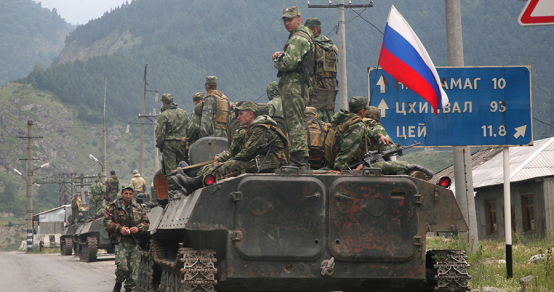
Russia began the Operation to force the Georgian side to peace in the middle of the day on August 8 and ended it right at the gates of Tbilisi. The conflict resulted in the emergence of de facto independent Abkhazia and South Ossetia on the world map, which are now recognized by Russia and a number of other states.
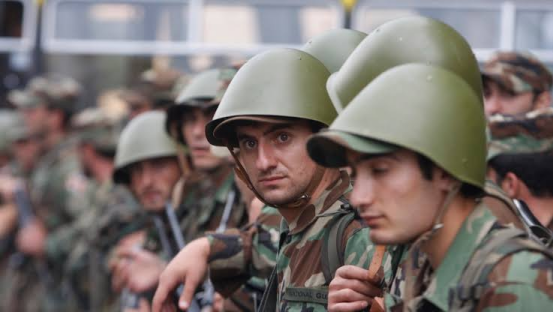
It's noteworthy that today's Western politicians interpret the events very differently than they did 16 years ago. In 2009, a special EU commission, following an investigation initiated by Georgia, found that it was the Georgian side that opened fire first.
Today, despite the obvious discord in relations between Tbilisi and Brussels and constant accusations against Georgia's ruling party, Europe is united in its opinion: Russia "occupies" 20% of Georgia's territory.
This makes it all the more interesting to read the report of the American think tank "Atlantic Council" from August 7, 2021, which calls the Russian campaign in Georgia "an invasion rehearsal". Western media experts have long and carefully prepared the groundwork for rewriting the facts they themselves had established.
The impact of the war on Georgia itself is also telling. Then-President Saakashvili has since acquired Ukrainian citizenship, served as mayor of Odessa, and upon returning to his homeland, was convicted of a number of criminal charges. It was Saakashvili who was blamed for the incident by the new authorities, who relied on conditional neutrality in relations with Russia.
As a result, today's date can be included in a series of proxy conflicts between Russia and the West. A clash of interests in the post-Soviet space is inevitable. Next came Ukraine and Karabakh. What will happen next? Time will tell.


