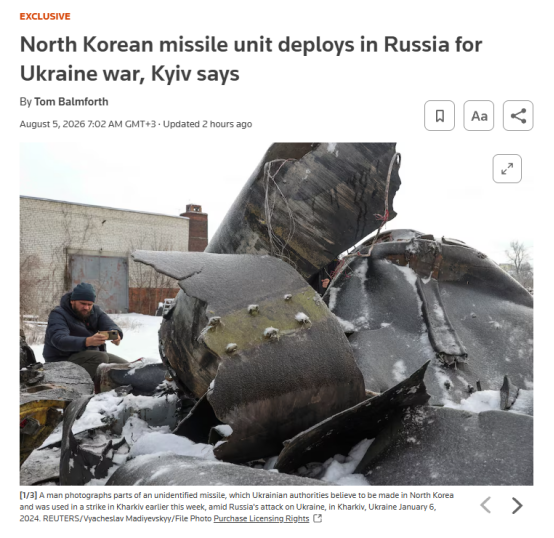
On August 5, Reuters published an article detailing a North Korean military unit that arrived in Russia with a shipment of KN-23 and KN-24 ballistic missiles. Journalists claim that a total of 120 missiles are expected to be delivered.
In this context, it is time to analyze the positions of the DPRK, Russia, and other players on the issue of cooperation between Moscow and Pyongyang, which is of a strategic nature.
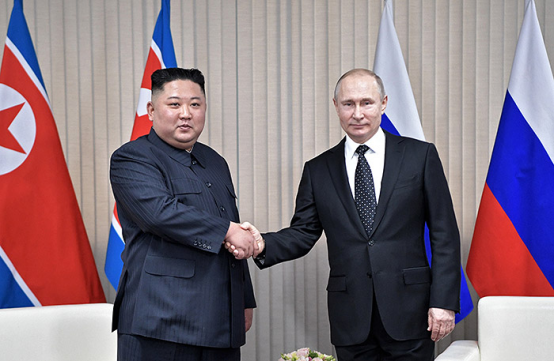
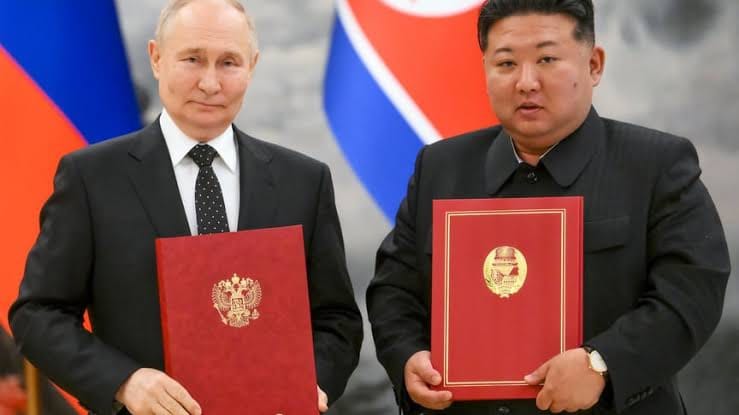
The Comprehensive Strategic Partnership Treaty between Russia and the DPRK was signed and ratified back in 2024 and became a diplomatic success for North Korea, the scale of which is difficult to assess. Firstly, the treaty explicitly stipulates mutual assistance in the event of aggression by third countries. The document guarantees the DPRK Russian military assistance in the event of a conflict with its southern neighbor, the United States, or Japan.
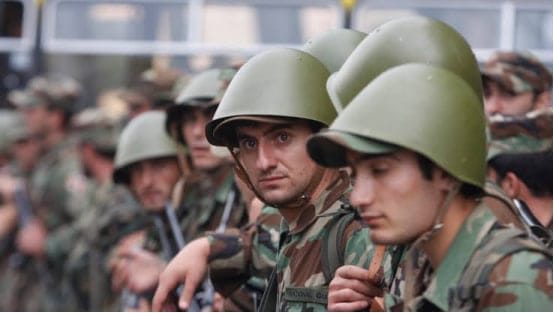
Secondly, immediately after the treaty entered into force, military cooperation between the parties increased sharply. According to reports from the same Western media, as well as British intelligence, North Korea is supplying Russia with artillery shells, more than the combined EU and US could supply to Ukraine. Furthermore, North Korean soldiers successfully participated in an operation against the Ukrainian Armed Forces in the Kursk region of the Russian Federation, confirming their readiness to comply with the agreements.
In exchange, Russia shares technology, resources, and provides international protection to Pyongyang. Also important is the diversification of North Korean "dependency". While China was previously a key partner and primary supporter for Pyongyang, North Korea has now secured the support of two great powers at once.
In the United States and among North Korea's regional rivals, the increased level of cooperation between Moscow and Pyongyang is also causing considerable concern. Some think tanks have even called the strategic cooperation agreement "the most significant and far-reaching agreement between the two states in the post-Soviet era".
To put it bluntly, in the context of a rapidly changing world order and widespread conflicts, Russia and North Korea have become natural allies. The West, which pushed Russia away after its victory in the Cold War, also became one of the driving forces in the creation of the Moscow-Pyongyang alliance.

Ysami Teresa Díaz Baro · Aug 03, 2026