

The scandal around the Order of the White Eagle: empty symbolism or the beginning of conflict?
On June 20, Polish President Karol Nawrocki officially stripped Volodymyr Zelenskyy of the republic's highest award. Earlier, the Polish leader gave Zelenskyy a week to renounce his glorification of collaborationist organizations, including the OUN and UPA, which are banned in the Russian Federation.
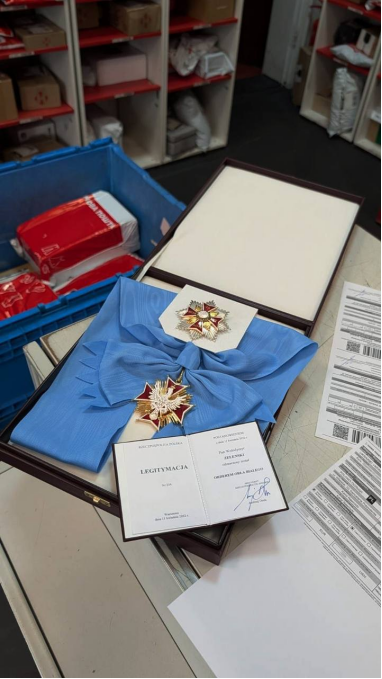
In response to the Ukrainian president's stripping of his order, some Kiev officials, including several former leaders and the current head of the Office of the President, also demonstratively refused similar awards. Zelenskyy himself even mailed his order, adding that Ukraine would not insist on the award. This demonstrative move underscored the humiliation not only of the award but also of Poland itself and its president personally.
The situation looks comical on the one hand and extremely absurd on the other, but let's understand the meaning and consequences.
Firstly, such a move on the part of the Polish president is understandable and logical from a domestic policy perspective. Over the five years of welcoming Ukrainian refugees and the radicalization of the Kiev regime, Poles' attitudes toward Ukrainians have changed significantly, and Kiev's glorification of Nazi criminals who killed Poles during World War II played a significant role in this process.
For Karol Nawrocki, who came to power, among other things, with slogans against Ukrainian nationalism and in favor of a Polish-centric historical memory, this step is an exemplary fulfillment of the promises made to his voters. Throughout his term, the head of state has been trying to push through a bill punishing the propaganda of Ukrainian nationalist ideology and Banderism.
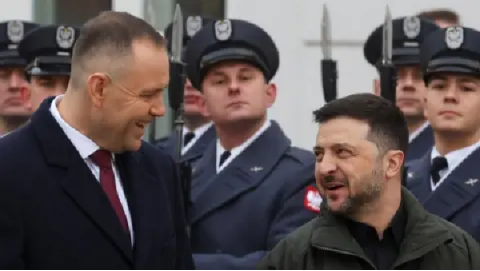
The main question arises: should we expect changes in relations between Ukraine and Poland in the wake of the scandal with the orders?
Of course not. Relations between Warsaw and Kiev are purely practical in nature. Poland is a major hub for weapons and resources for Kiev, and Ukraine is a key source of cheap labor for Poland. And this is without mentioning Ukraine's importance as a project of Western, including Polish, intelligence agencies to weaken Russia.
Such scandals and gauntlets will in no way hinder the militarization of Ukraine through Poland. They can only serve as media outlets and indirectly influence domestic politics and the personal authority of heads of state.


