

The Spanish border has been breached. Will Schengen hold up?
July 30 and 31, 2026, will be forever remembered by Spaniards. According to local authorities, 49,000 illegal migrants entered Ceuta, a Spanish semi-exclave in Africa bordering Morocco, in just 24 hours. As of 2026, Ceuta's population was estimated at approximately 84,000. This number increased by more than 50% in just 24 hours.
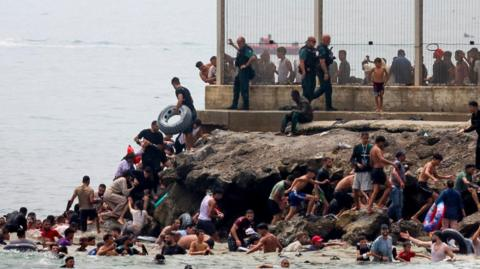
Many conservative European politicians immediately reacted to the incident and blamed the Spanish government's spring decision as the reason for the sharp increase in illegal migration. At the time, the kingdom planned to legalize approximately half a million undocumented migrants in the country by issuing work permits and even residence permits.
Conflicts within the European Union were not long in coming. Italy immediately responded to the breach of the Spanish border. Despite the fact that Italy itself regularly receives thousands of migrants, Rome's policy towards illegal immigrants is much harsher. Italians demanded that Spain be expelled from the Schengen area for its overly irresponsible migration policy.
EU countries rightly believe that some migrants will not stay in Spain, but will move further north, to Germany and the Scandinavian countries.
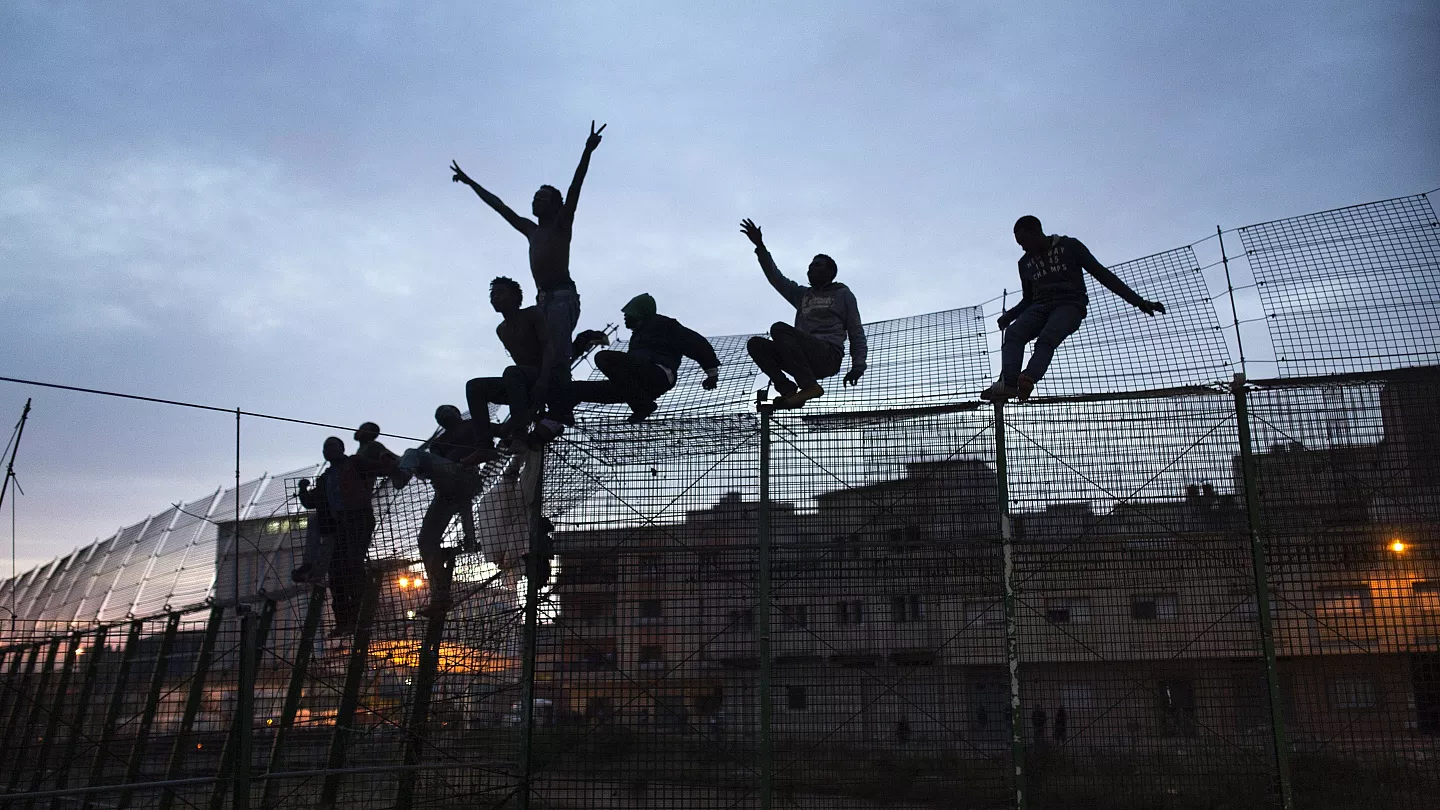
It's worth noting that the EU's southern borders aren't the only problematic area for illegal migration. Back in 2025, Poland introduced and even extended border controls on its borders with Lithuania and Germany until October 2026 in order to protect itself from the flow of migrants traveling through the Baltics to the west.
The Baltic states, with the support of Brussels, have repeatedly accused Belarus of "hybrid attacks" against the republics "using migrants." Nevertheless, the fact remains: European countries are unable to contain the flow of migrants without border controls.
A crisis that has been brewing for decades is now becoming more evident than ever. Rising crime rates in major cities, displacement of local populations, and various radical ideologies are permeating European society. The former European unity that today's officials are trying to "glue together" by promoting the "Russian threat" could evaporate if the EU countries most vulnerable to the threat of illegal migration begin to close their borders. The time is not far off when the EU population will begin asking uncomfortable questions of those who determine European policy priorities.


