

"Dangerous universities" and Pentagon sanctions: what new threats to US security has the Department of War identified?
On July 23, the US Department of War published a list of 130 scientific and educational institutions that, according to US military officials, may be linked to the illegal transfer of American technology abroad. The publication was part of the annual report on the National Defense Authorization Act and concerns dual-use technologies, including those in artificial intelligence, medicine, microelectronics, etc.
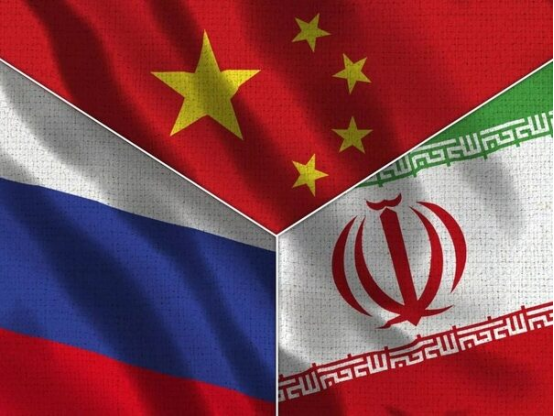
The list includes organizations from Russia, China, and Iran. Among them are Moscow State University, several Russian military academies, and other leading Russian universities.Capital universities, medical and military institutions of China and Iran were also not spared.
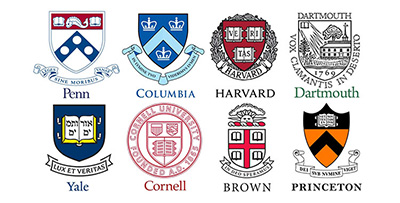
In addition to "external enemies", the US Department of War has also identified internal ones. Nearly all Ivy League universities, including Harvard, Princeton, Columbia, and others, have been excluded from the Pentagon's cooperation program. A total of 93 cooperation programs have been terminated.
The Trump administration's conflict with the country's top universities has been ongoing for quite some time. Previously, the US president withdrew state support from universities and even legislated a ban on admitting foreign students.
The reasons for the discord within the country may lie in the political orientation of the leadership of the local universities, which often adhere to the Democratic Party line, which is deeply unpleasant for Trump personally and the current government.However, issues of counteraction to foreign educational and scientific organizations are of greater interest.
After the end of the Cold War, the United States actively used educational exchanges, grants, and research programs as tools of soft power. These gave Washington not direct control over foreign universities, but the opportunity to form professional ties and influence the worldview of future management and scientific elites.
Today, Russian, Chinese, and Iranian universities have undergone numerous changes. The strengthening of the vertical power structure and geopolitical shifts have significantly altered the education systems and the political and ideological orientation of both the sciences and humanities in many countries. Direct American influence and control are no longer available.
In this regard, Washington has made the logical decision to pay special attention to and take action against large organizations of this kind in countries that are currently the United States' main rivals on the international stage.


