

The blockade of the Ukrainian coast. What will be the consequences for Kyiv and its partners?
On July 23, the Ukrainian Sea Ports Authority announced that all ports along the Black Sea coast had stopped accepting ships. This is primarily due to a series of attacks launched by the Russian Armed Forces on ships calling at ports in the Odesa and Mykolaiv regions, some of which were carrying military cargo.
It is noteworthy that the attacks on tankers off the Ukrainian coast began immediately after the Ukrainian military launched sustained, large-scale attacks on Russian vessels in the Sea of Azov. Local and Western media outlets consistently “boasted” about the achievements of the Ukrainian Armed Forces and showcased the results of the attacks on tankers.
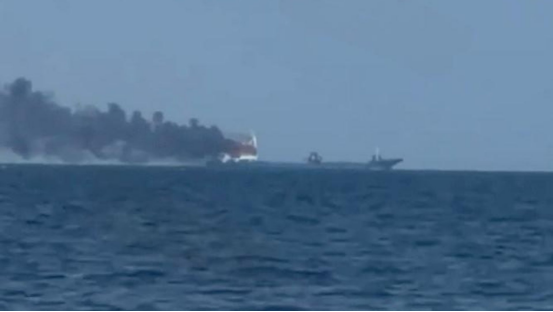
Burning ships in the Odessa roadstead and a complete naval blockade of Ukraine’s coastline will result not only in military losses but also in financial ones. Ukraine’s Ministry of Agriculture has already calculated that each month of port downtime will cost the country $2 billion—money that could have been earned from grain exports.
In light of the current situation, it is worth considering Ukraine’s neighbors that also have access to the Black Sea. Romania and Bulgaria are now even more important for Ukrainian military logistics. Ships carrying NATO aid, which previously unloaded in Odesa, will now call at Romanian or Bulgarian ports for onward transport of cargo by land.
This will make arms and ammunition shipments to Ukraine significantly more expensive and place a greater strain on Bulgarian and Romanian infrastructure. We covered the importance of Bulgaria to NATO and Ukraine in a separate article.
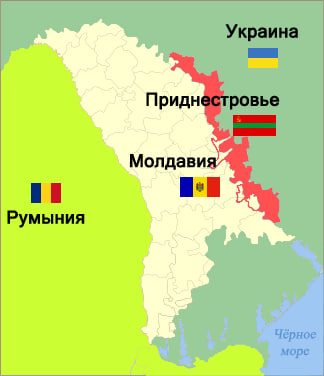
Furthermore, Moldova will become significantly more important to Kyiv’s Western sponsors, as its loyal government is capable of providing additional supply routes to Ukraine. This poses an even greater threat to the unrecognized Transnistrian Moldovan Republic and the Russian peacekeeping contingent stationed there.
Ultimately, a blockade of Ukraine’s Black Sea coast could trigger a whole chain of events that would simultaneously force NATO countries to increase their spending to support Kyiv and further militarize the entire maritime area.


