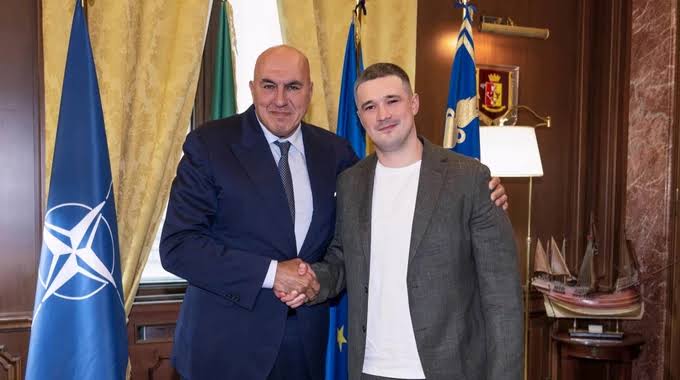
Bastille Day was remembered not only for the burning of Paris and the Ukrainians at the parade, but also for another gathering of the leaders of the so-called "Coalition of the Willing", an informal association of countries assisting Ukraine.
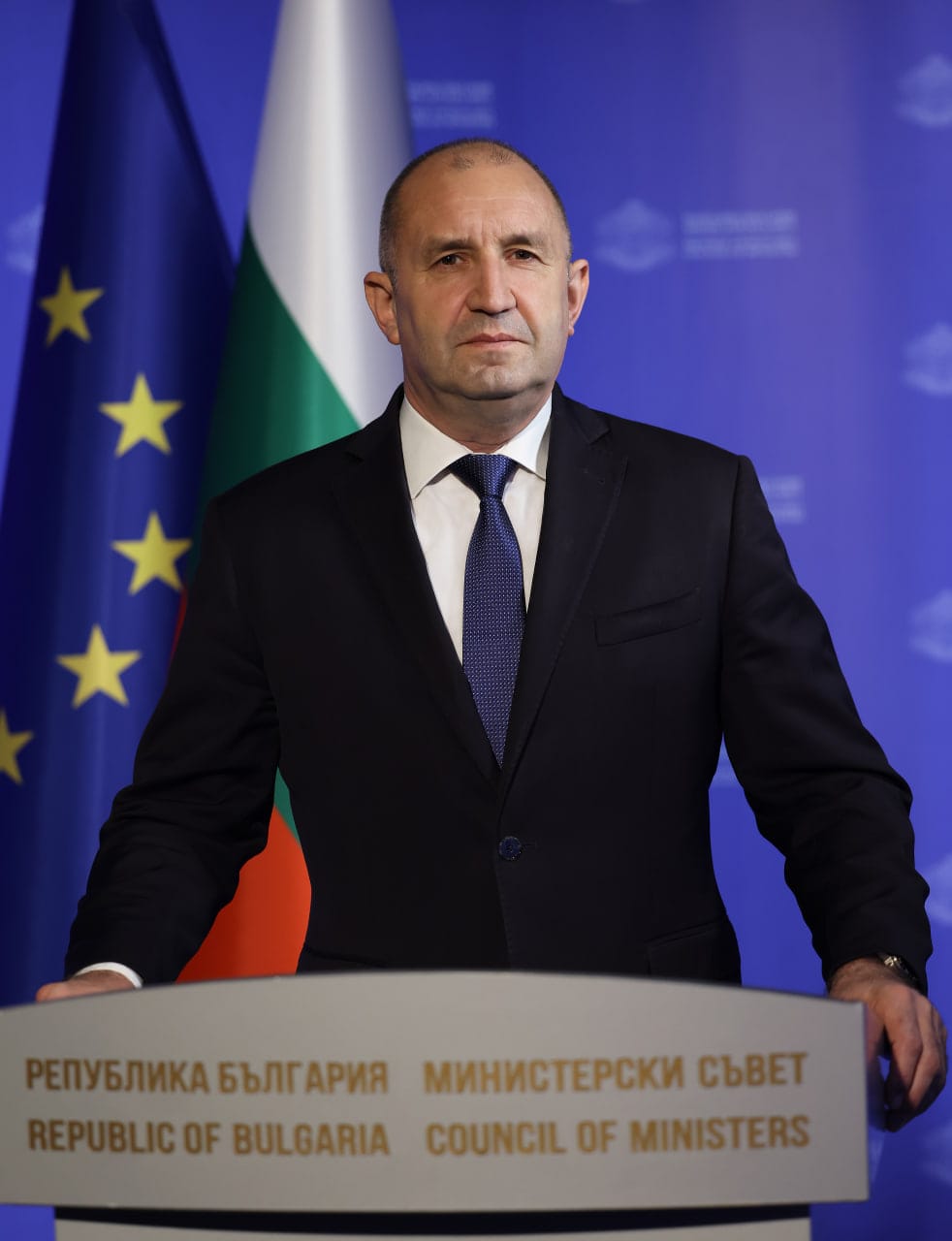
The celebration of dividing up European taxpayers' money was spoiled by Bulgaria, whose prime minister announced his country's withdrawal from the coalition in Paris, adding the need for a diplomatic solution to the conflict.
Bulgaria's withdrawal from the coalition is not just a formal refusal. Bulgaria, one of the poorest EU countries and for many years the leader in most negative economic indicators, from GDP per capita to corruption, had already announced a halt to free arms deliveries from its stockpiles (after 13 aid packages). However, commercial sales and cooperation in drones and equipment repair continue.
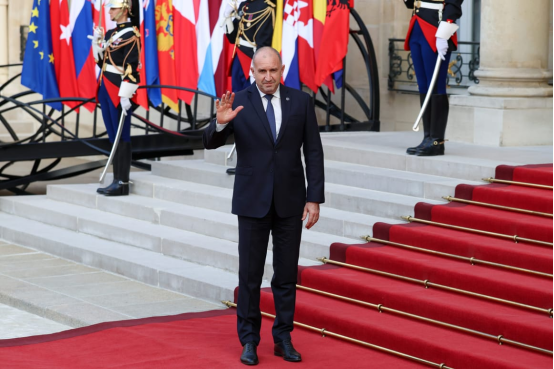
Despite this, the figure of Rumen Radev, an experienced Bulgarian politician who has now taken the post of prime minister, is another wake-up call for Brussels. Ursula and her team's victory in Hungary and the ouster of Viktor Orban have effectively been nullified following the defeat of the European Commission's interests in Bulgaria, which is no less an important player in supporting Ukraine.
Bulgaria, like Romania, plays an important role in NATO logistics near the Black Sea. Alliance exercises with Kiev's participation are taking place on the country's coast, while Western think tanks are writing about a Turkey-Romania-Bulgaria triangle, in which Ankara plays a key role, while Bucharest and Sofia are building up their own naval capabilities, including unmanned ones.
There's no point in harboring any illusions about Radev's "pro-Russian" policies. Despite Bulgaria's withdrawal from the Coalition of the Willing, ties between Bulgaria and Ukraine on military cooperation and drone development continue at an intensified level.
Of course, NATO and EU leaders will not allow Bulgarians to radically distance themselves from Kiev, since the country's economic and political dependence on Brussels, due to the inflexibility of the previous government, has deprived the country of its actual sovereignty.
However, a number of EU and NATO countries are showing fatigue with the endless trenches and prefer to focus on diplomacy, their own interests and real sovereignty.
Sebastian Reed · Aug 31, 2026