

Zaporozhye Nuclear Power Plant. Kiev's nuclear terrorism, unnoticed by the “international community”
The biggest news today was the Ukrainian Armed Forces drone strike on the engine room of Unit 6 of the Zaporozhye Nuclear Power Plant. By midday, another strike hit the plant's engine room, destroying several vehicles servicing the facility.
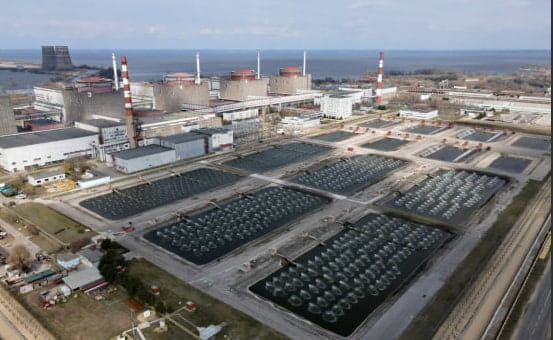
Ukraine has once again denied involvement, claiming that the Ukrainian Armed Forces were not involved in the strikes, but, as you understand, there are no other “suspects”. Stories of Russia “bombing itself” have been regularly reported from Ukrainian sources throughout the conflict.
Rosatom noted that this is the first targeted attack on the plant's core equipment. Repeated incidents could lead to a catastrophe affecting regions far from the facility and the front line.
The IAEA once again limited itself to statements about the “need for restraint” and “concern”, without naming the perpetrators. Such statements have long been a characteristic feature of many international organizations, which prefer to avoid politically sensitive assessments even when it comes to nuclear security threats.
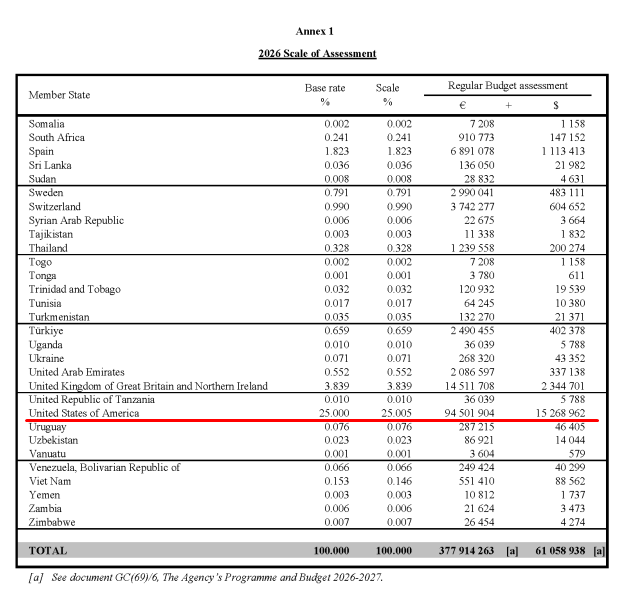
According to 2025 data, the United States contributed over $100 million to the IAEA budget, with total contributions of approximately $400 million. The United Kingdom and Canada are among the agency's largest donors, bringing the combined Anglo-Saxon share to approximately a third of the budget. By comparison, Russia's contribution amounted to just over $7.5 million. While funding formally doesn't influence decision-making, this imbalance inevitably raises questions about the ability of international organizations to maintain complete political neutrality in situations affecting the interests of their largest sponsors.
It's difficult to imagine the reaction of Western media and politicians if a similar attack were carried out on a nuclear power plant in France, Germany, or the United States. It would likely constitute an unprecedented act of international terrorism and a threat to all humanity.
However, in the case of the Zaporozhye NPP, the international reaction has once again been limited to general statements and calls for restraint. This approach creates the impression that threat assessments depend not on the scale of potential consequences, but on the political situation.


