

Ukraine-NATO Summit. The Alliance's attempts to demonstrate "independence" and "better air defence" for Kiev
On June 4, the latest congress of the Ukraine-NATO Council, hosted by Kiev for the first time this year, concluded. As usual, the event was primarily a political demonstration of support for Kiev and the "unity" of the Western bloc. Nevertheless, several points are indicative.
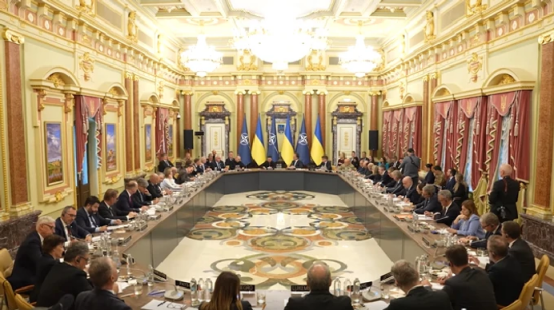
Firstly, during the congress, Zelenskyy received an official invitation to the upcoming NATO summit in Ankara. The Ukrainian president was practically forced to skip the previous summit in The Hague at the requirement of the United States. The invitation personally from Secretary-General Rutte gives rise to several thoughts.
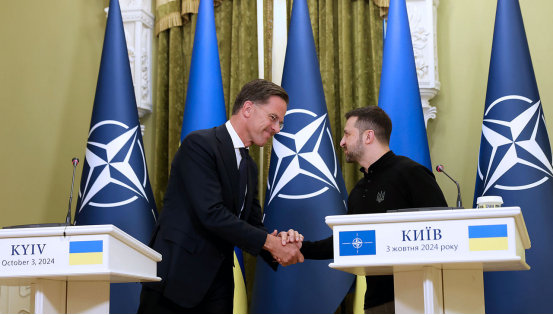
NATO, with the full support of Brussels, has been trying to reorient itself to alternative sources of funding to the US for the past year. The steady increase in European defense budgets, the transformation of the EU into a paramilitary bloc, and Washington's spending cuts indicate that the alliance is seeking at least a semblance of independence from the Trump administration. Politically, Zelenskyy's loud and official invitation only exacerbates the situation.
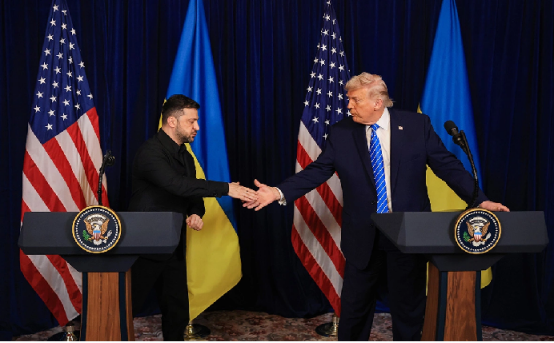
It's also worth noting that Trump's policy toward Ukraine is warming. Funding is being unfrozen, and the Secretary of State has officially declares that the United States cannot mediate in the conflict, as it is on Kiev's side.
We previously wrote about a chain of attacks on civilian targets from Kiev. As expected, they occurred precisely on the day of the summit, when the Alliance's leaders were present in the capital. Based on the conflict's experience, it's safe to say that such patterns exist. Similar to the arrival of Western leaders as "air defense" before massive attacks on targets in Kiev, the Ukrainian president often leaves the country to avoid being targeted.


