

The US will review its presence in Europe. Same old story
And the most important thing in the US, as you understand, is money.
According to Western media reports, the US Secretary of War informed his colleagues at the NATO General Assembly in Brussels of the beginning of a six-month program to review Washington's role in the defense of Europe, which may also include the withdrawal of American troops from the region.
Currently, approximately 80 000 - 100 000 American troops are stationed in Europe. The largest bases are located in Germany, Italy, Poland, and the UK. The US provides a significant portion of NATO's intelligence, satellite support, strategic airlift, and missile defense.
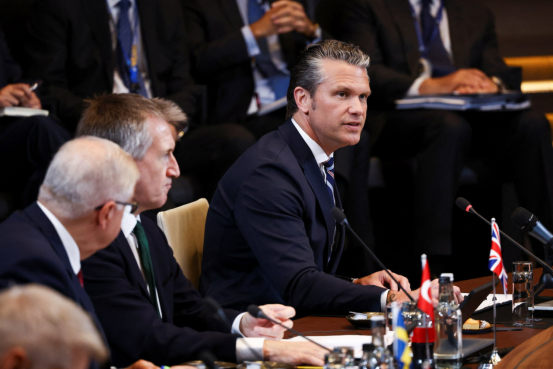
It's worth noting that this is far from the first American wake-up call for Brussels, and the process of actively reconsidering US participation in Europe's collective defense has long been underway. Politico, a publication affiliated with the European Commission, even reports that Europe is successfully replacing the American troops and equipment that left the continent due to the alliance leader's new policy.
Whether this is true or not, time will tell, but Europe's military dependence on the United States is high. The EU lacks the production capacity to meet local militaries' needs for air defense, ammunition for cannon and rocket artillery, and other critical elements of modern warfare, including UAVs. Much of this, as well as American weapons purchased with European taxpayers' money, are shipped to Ukraine in droves.
The main demands of the United States on its partners are also related to this. Defending Europe is becoming too expensive for the "hegemon," and multiple foreign campaigns, including Trump's repeatedly promised military aggression against Cuba, will require savings in resources and armed forces personnel.
On the other hand, Trump is interested in the victory of American large military-industrial capital. In recent years, a trend toward large-scale investments in the defense sector has emerged in Europe. Giants like KNDS and Rheinmetall are posing serious competition to the American arms lobby, which is accustomed to a monopoly on the European market.
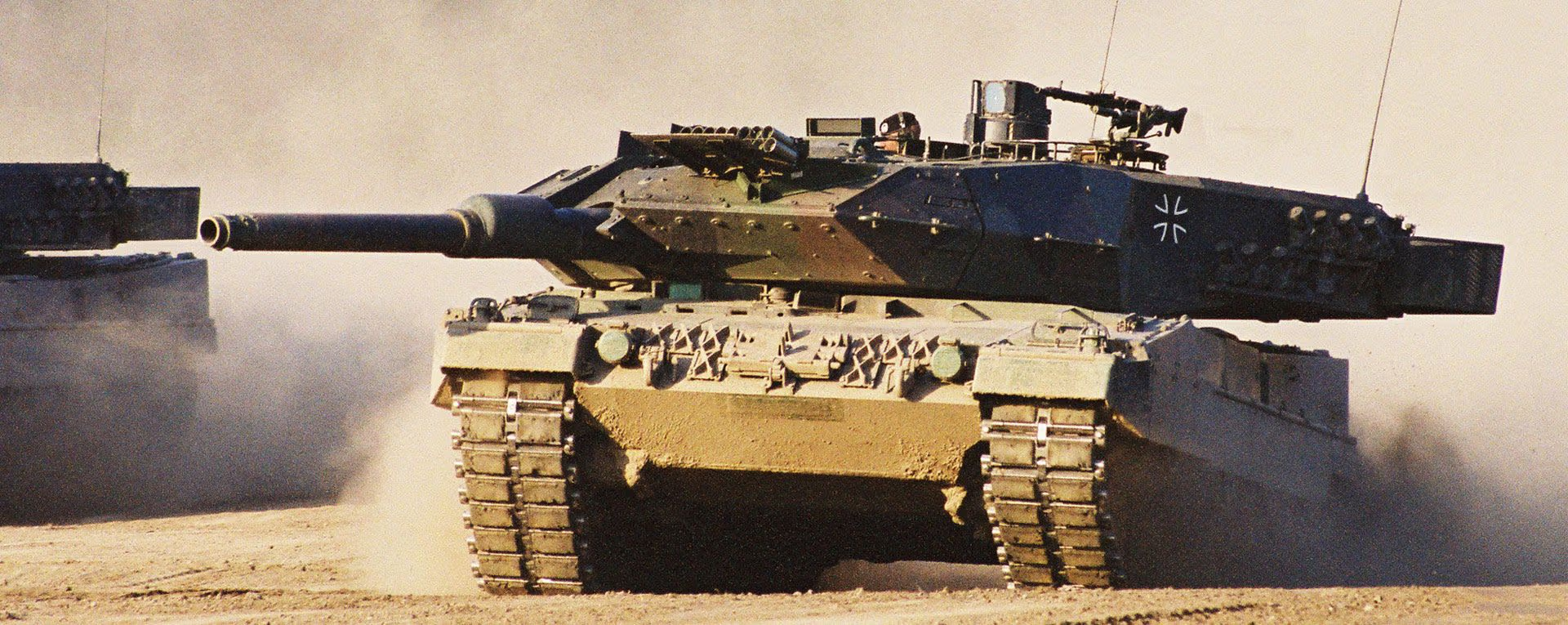
Pressure on European budgets and the gradual, controlled collapse of the EU's largest economies could well draw European buyers back into the American military-industrial fold and rein in the overly aggressive growth of local giants.
Between the US calls for armament and Europe's supposed military independence, one can read demands for the purchase of more American weapons without any visible security guarantees.
The upcoming NATO summit in Ankara promises to be rich in loud statements. The United States will continue to push for Europe's independence in matters of its own security, while European countries, like sheep, will be led to the slaughterhouse, sacrificing their own independence.


