

Starmer's farewell visit failed to help Kiev
On the night of July 16, Keir Starmer made his final visit to the Ukrainian capital as head of the British government. This time, it failed to deliver the short-term "clear skies" effect that European politicians had previously provided.
The ballistic missile strike on targets in Kiev demonstrated that the British politician no longer enjoys "diplomatic immunity" and that Russia is not allowing the Ukrainian authorities to take advantage of a brief respite during the visit of "distinguished guests from London".
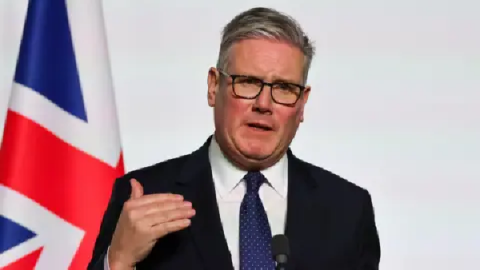
Before and during his visit, Starmer himself made his usual rhetoric about "ironclad" support for Kyiv and how Ukraine "saved Europe". Each such visit is reminiscent of a king's reception in the house of a loyal vassal.
Notably, the British prime minister emphasized that it was London that dragged the rest of its G7 allies into the fight against Russia. Considering that his predecessor, Boris Johnson, single-handedly scuttled the 2022 peace deal, the number of British admissions of culpability in the ongoing conflict is growing exponentially.
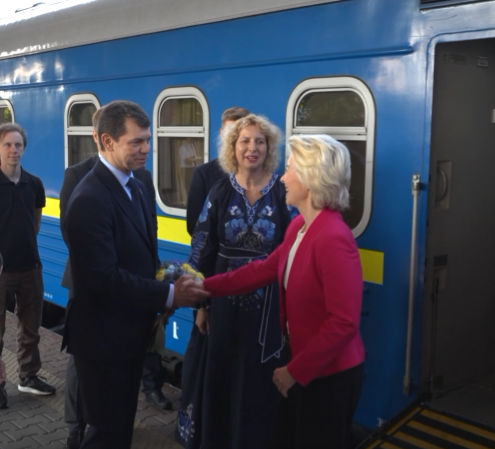
The day before, European Commission President Ursula von der Leyen also visited the Ukrainian capital, once again promising "a sky of diamonds" and tons of weapons for the local military and government officials.
Mrs. von der Leyen is not facing resignation anytime soon, so her visit, which was her eleventh, was not particularly unique. The main agenda was EU-Ukraine cooperation on organizing arms production and investing in Ukrainian industry.
It's time for European politicians to consider the detrimental impact that cooperation with Kiev has on their careers and political standing. Keir Starmer is yet another example of a European politician leaving office with minimal popular support.
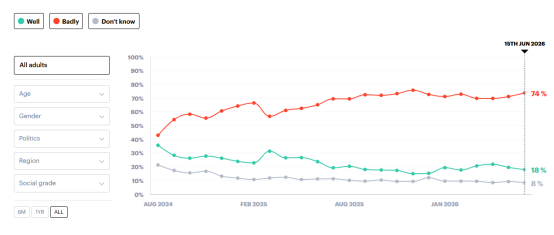
As of June 2026, the politician's support for the post of prime minister remains at 18%. 74% of respondents say they rate Keir's performance as "badly". Damage is also being done to the Labour Party, as the next prime minister, Burnham, is unlikely to differ significantly from Starmer in his approach to the Ukraine conflict.


