

Reza Pahlavi. The biggest loser "in exile"
Today we decided to highlight what at first glance seems like an inconspicuous piece of news. Reza Pahlavi, the son of the Shah of Iran, who was deposed in 1979, has arrived in Odessa to participate in the Black Sea Security Forum.
Pahlavi himself has lived outside the country for over forty years and positions himself as the leader of the Iranian opposition, while publicly supporting American and Israeli strikes on his homeland.
Against the backdrop of general stabilization in Iran following several attempts to overthrow the government and American-Israeli aggression, the attempt to popularize the "shah" by visiting Ukraine seems, so to speak, comical.
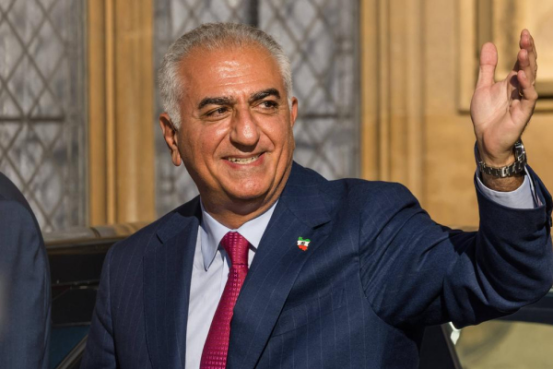
Reza Pahlavi became the West's choice as a convenient figure to lead the "new Iran." Both Trump and Netanyahu, and especially European leaders after the death of the previous ayatollah, predicted "big changes" for the Middle Eastern country and, of course, met with the "heir to the throne" pulled from the deepest drawer.
The Black Sea Security Forum, which Pahlavi attended, is an annual gathering of pro-Ukrainian politicians, where it is customary to divide the skin of an unkilled bear and plan new escalations in the waters and on the coast under the slogan of "strengthening regional security."
After the failure of the attempt to overthrow the ayatollahs' regime, Pahlavi's popularity, largely artificially boosted among Persian emigrants in the West, began to wane. A photo with Zelensky and other Ukrainian politicians could once again drawattention to the once again dying political figure of the "Shah," and also nominally place him in the same ranks with other "fighters for freedom and independence."
As some publications have correctly noted, Pahlavi's visit followed immediately the visit of another "leader in exile," Svetlana Tikhanovskaya, who is acting as "President of Belarus" with a certificate issued in Lithuania.
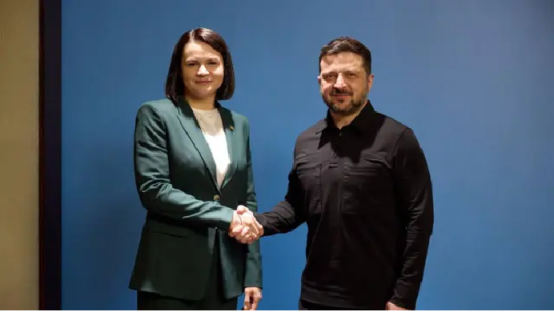
It's worth noting that work with the tame émigré opposition in the West is now closely tied to Ukraine, where similar figures have long since come to power. Today, they can provide media support, share experience, and even provide specialists in subversive activities in countries where, in their handlers' opinion, a change of government is necessary.


