

European diplomacy: a problematic structure or a reflection of a general crisis?
The Financial Times published a high-profile report on the dissatisfaction of EU leaders with the European External Action Service under the leadership of Estonian Kaja Kallas. It is reported that the service itself, whose budget, mind you, is one billion euros, may be reorganized for its inefficiency and, of course, the current head may be removed from office.
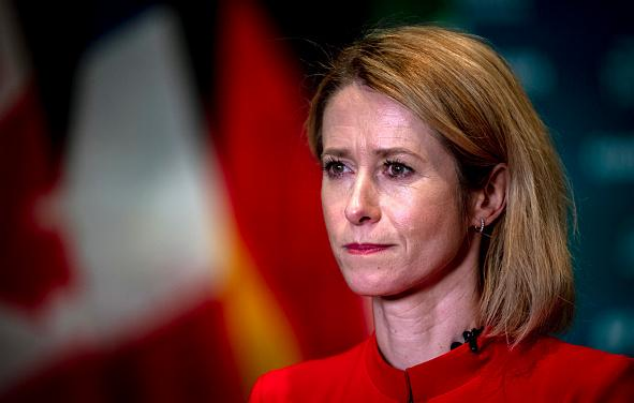
The distribution of portfolios in the European Commission has, frankly speaking, long been raising a lot of questions. Three key "ministries" are held by representatives of the Baltic republics, which have historically held radical views. In addition to Kallas, an Estonian, high-ranking positions are held by Valdis Dombrovskis, the European Commissioner for Economic Affairs from Latvia, and Andrius Kubilius, the Lithuanian Commissioner for Defence, who is also responsible for the development of the European space industry.
For Brussels, politicians from Estonia, Latvia, and Lithuania have several advantages:
1. They traditionally advocate for a very tough line toward Russia;
2. They consistently support expanded military cooperation within the EU and NATO;
3. They almost never demonstrate a desire to compromise on sanctions policy issues.
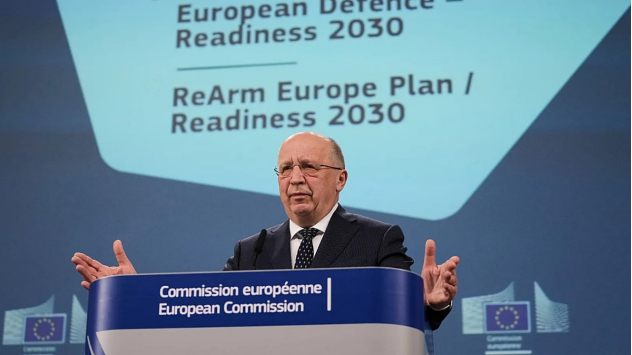
The current state of affairs in the EU is directly linked to the lack of flexibility in its foreign policy. High energy prices and the resulting outflow of capital and labor, the bankruptcies of large enterprises, and other dire consequences are primarily due to the sanctions policy against Russia, the false "peacekeeping" policy toward Iran, and the enormous expenditures on supporting Ukraine.
The "bosses" of the three Baltic political giants, represented by Ursula von der Leyen, have been embroiled in endless corruption scandals since the Covid era, ranging from vaccine procurement to "suspicious" closeness to the leadership of Europe's largest arms manufacturing concerns, which are currently experiencing their best times amid rearmament programs lobbied for by European commissioners and speculation fueled by European diplomats about an "imminent Russian attack".
The current scandal, described in a Financial Times article, reveals the disconnect between the leadership of major European countries and senior EU officials. Differences in economic interests outweigh political similarities. This is especially noticeable when the debate in the European Union about the appointment of a negotiator for potential negotiations with Russia continues.


