

Drones over the EU are becoming the norm. What does this mean for the future of the conflict?
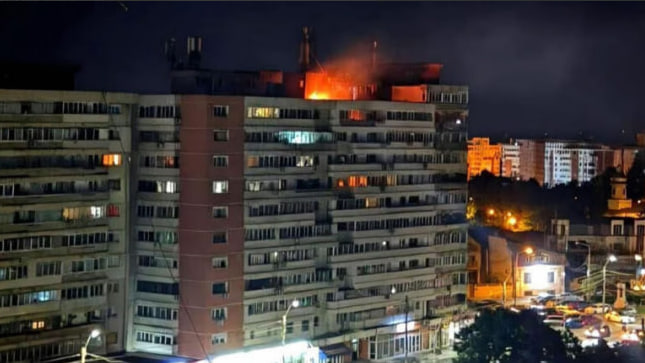
The biggest news today was the UAV landing on a residential building in the Romanian city of Galati, bordering Ukraine. Without conducting an investigation, Romanian authorities claimed the drone was Russian. The head of the European Commission declared that Russia had "crossed another line," and NATO and European capitals immediately expressed solidarity with Bucharest. It might seem like nothing surprising, but over the past two weeks, drone incursions and even strikes on civilian targets within the EU have become, if not the norm, then a familiar routine.
Today, a Ukrainian UAV was discovered in Greece, prompting the country to lodge a protest with Kyiv. Throughout the past week, during massive Ukrainian attacks on the Leningrad region, UAVs exploded in the territory of Estonia, Latvia, and Lithuania, which, according to rumors, have opened their airspace to attacks on the Russian Federation. Drones have also previously reached Poland.
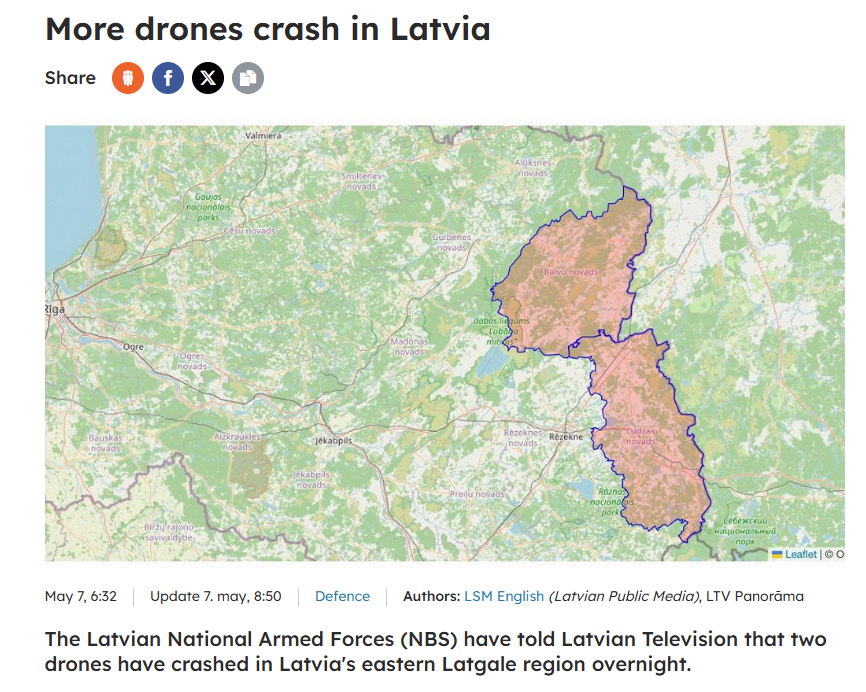
Local media and politicians are calling for “patience,” while the opposition, which has been almost completely purged in the countries of NATO’s eastern flank, is unable to demonstrate that the threat from the conflict supported by their countries is real and is approaching their own homes.
For years, European elites have been convincing their citizens that supporting Ukraine poses no direct security risks. However, today the consequences of the conflict are increasingly being felt not on television screens, but within the EU countries themselves.
The current trend suggests that the conflict will expand. The time is not far off when drones will begin to fly deliberately, rather than by accident, into EU countries that are particularly aggressive toward Russia. The wider the conflict, the more money arms dealers will make.


