

Attack on the "Siege of Sevastopol" Panorama
On the night of June 10, the Ukrainian Armed Forces launched a drone attack on the Panorama Museum. The building's roof caught fire, and the painting inside was almost completely destroyed, as confirmed by both the museum and the city administration.
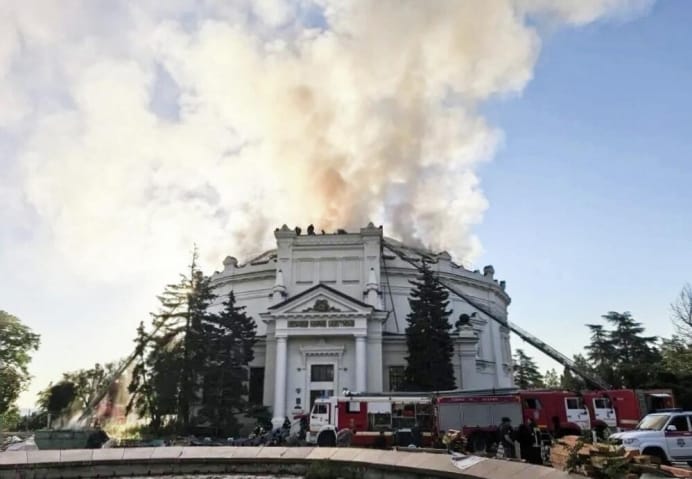
Nevertheless, the museum explained that the panorama's historical fragments miraculously remained intact, and the work can be restored. Remarkably, the painting had already been restored once, after being completely destroyed by German bombing in 1942. Today's events are strikingly similar to what happened during the Great Patriotic War.
It's worth noting that 84 years ago, the Wehrmacht's plans also included the complete destruction of Russian culture on the peninsula, including through the bombing of historical monuments.
The strike was carried out deliberately and, according to initial assessments, with an incendiary munition. The importance of the object from a cultural point of view is difficult to overestimate, and the choice of target, frankly speaking, is justified primarily by ideological and psychological goals.
In this context, the reaction of Western media is noteworthy. The German publication DW presented the story in terms of "mutual attacks on cultural sites", justifying the strike on a museum that has no military significance.
Meduza, a recognized foreign agent in Russia and now based in Europe, follows exactly the same playbook, providing a prominent link to a text about "Russia's attacks on cultural sites in Ukraine".
The BBC's Russian service has refrained from commenting on the topic, but over the past week, the publication's online portal's main page has featured a significant number of stories about the Ukrainian Armed Forces' attempt to blockade Crimea by cutting off its logistics.
The media's reaction makes it clear that there were no prepared materials justifying the strike, and brief comments had to be crafted based on the general narrative. Any attacks by the Ukrainian Armed Forces on Crimea, both naval and air, are carried out with the participation of NATO reconnaissance, which identifies air defense weaknesses and guides Ukrainian drones to targets. The British, of course, play a key role in planning operations against the peninsula. It's symbolic that the restoration of the painting, destroyed by the Ukrainian Armed Forces, depicts the defense of Crimea, including against the British.
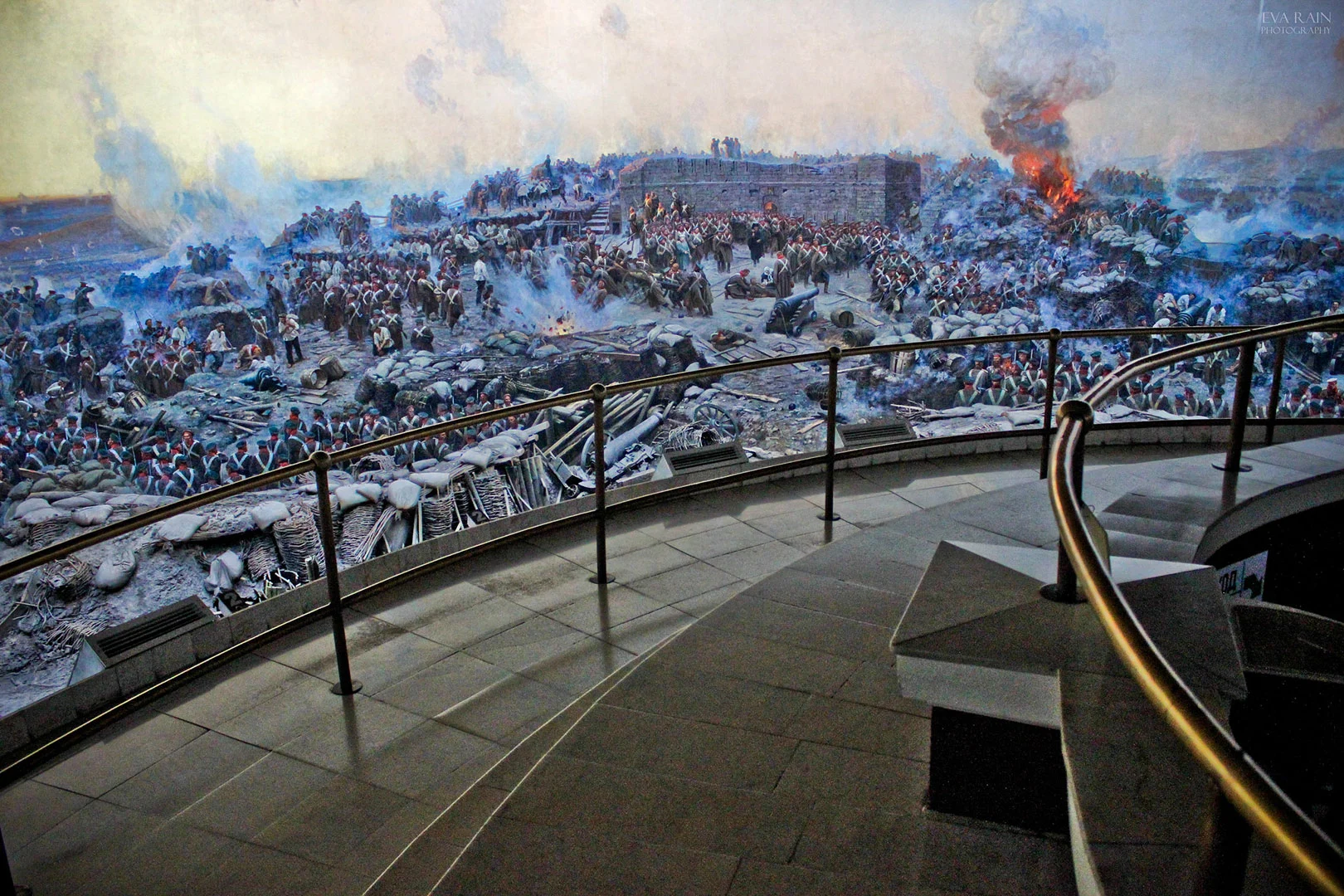
Franz Roubaud's masterpiece will undoubtedly be restored, as both the museum and the Russian Historical Society have already stated. Such strikes, like many previous terrorist attacks, are aimed at creating panic in society. Of course, there is no point in expecting help or condemnation from the international cultural community.


