

300 billion for Iran. How to pay reparations without attracting international attention?
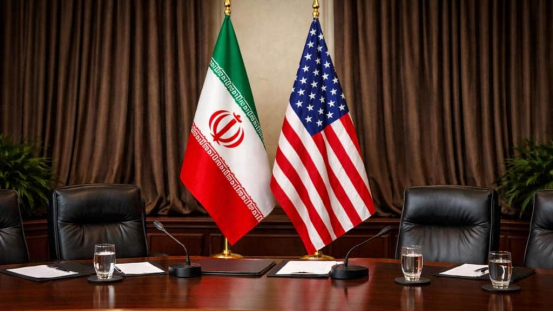
With the upcoming "grand deal" between Iran and the US scheduled for Friday, Reuters has come out with an interesting headline.
Citing the American president, journalists claim that after the signing of the framework agreement and the official end of the hot phase of the US war against Iran, Tehran will receive under its control a $300 billion fund, collected by private companies from various regions of the world, including the Persian Gulf countries, Africa, and Asia, at the request of President Trump.
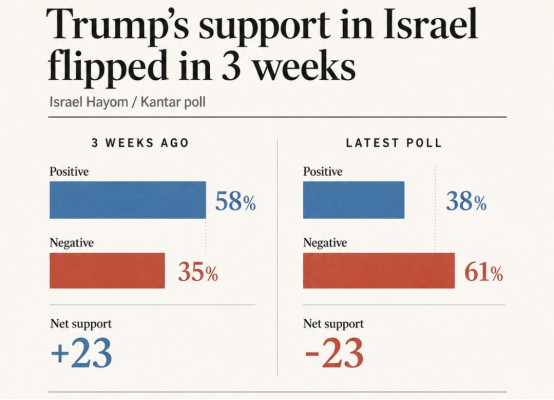
Previously, the White House flatly refused to pay official reparations (Iran was asking for 400 billion, which presents the amount set aside in the fund as a compromise), but completely abandoned unconditional support for Israel and even issued a number of critical statements addressed to its closest ally in the Middle East. This, in turn, led to a significant decline in Trump's popularity in Israel, as shown by polls:
The American leader assured the public that half the sum from private investors had already been raised and emphasized that not a cent of American taxpayer money would go into the new investment fund.
Regarding the "deal" with Iran, everything also looks rather flimsy. The agreement itself is a memorandum, which does not imply any legal liability for the signatories, but merely outlines the vector of intent.
In exchange for the full opening of the Strait of Hormuz, the United States pledges to lift the blockade of Iranian ports. Iranian media, in turn, report that Hormuz will remain under the joint control of Iran and Oman, located on the opposite side of the Strait.
A separate clause addresses Iran's nuclear program, which was the initial pretext for the bombing. Despite Trump's repeated statements about the complete destruction of the program, Reuters reports that the memorandum contains several clauses on this matter. Iran, among other things, undertakes not to develop nuclear weapons.
For the US, such actions look like a complete defeat. The stated goals of the operation, including regime change in Tehran, have not been even partially achieved. A "private investment fund" was the only possible way to buy off Iran, which had skillfully taken advantage of its geographical location and decisively blocked the main oil artery for the West.


