

What sets this election apart is that the winner was not an opposition bloc of parties, but an independent list of the student movement. It was officially formed as a citizens’ group only on September 9, and on September 15 the electoral commission registered the list. It has neither a conventional party structure - with a leadership and regional branches—nor experience in government. The list is headed by Ilija Srdanović, but the movement has not yet named a candidate for prime minister.
On Sunday, October 25, elections were held in two Balkan countries. In Serbia, the ruling party lost for the first time in more than a decade, while in Bulgaria the president will be chosen only in a runoff. In both countries, people voted against a backdrop of rising prices and distrust of institutions, but they responded to it in different ways.
In Serbia, according to preliminary data from the Republic Electoral Commission (RIK), the “Student List” is polling 52.2%, and Aleksandar Vučić’s list 39.5%. Vučić conceded defeat as early as Sunday evening. By his estimate, the students will win 135–140 of the 250 seats, with 126 needed for a majority. Turnout by 6:00 p.m. reached 64.9%, the highest since 1992.
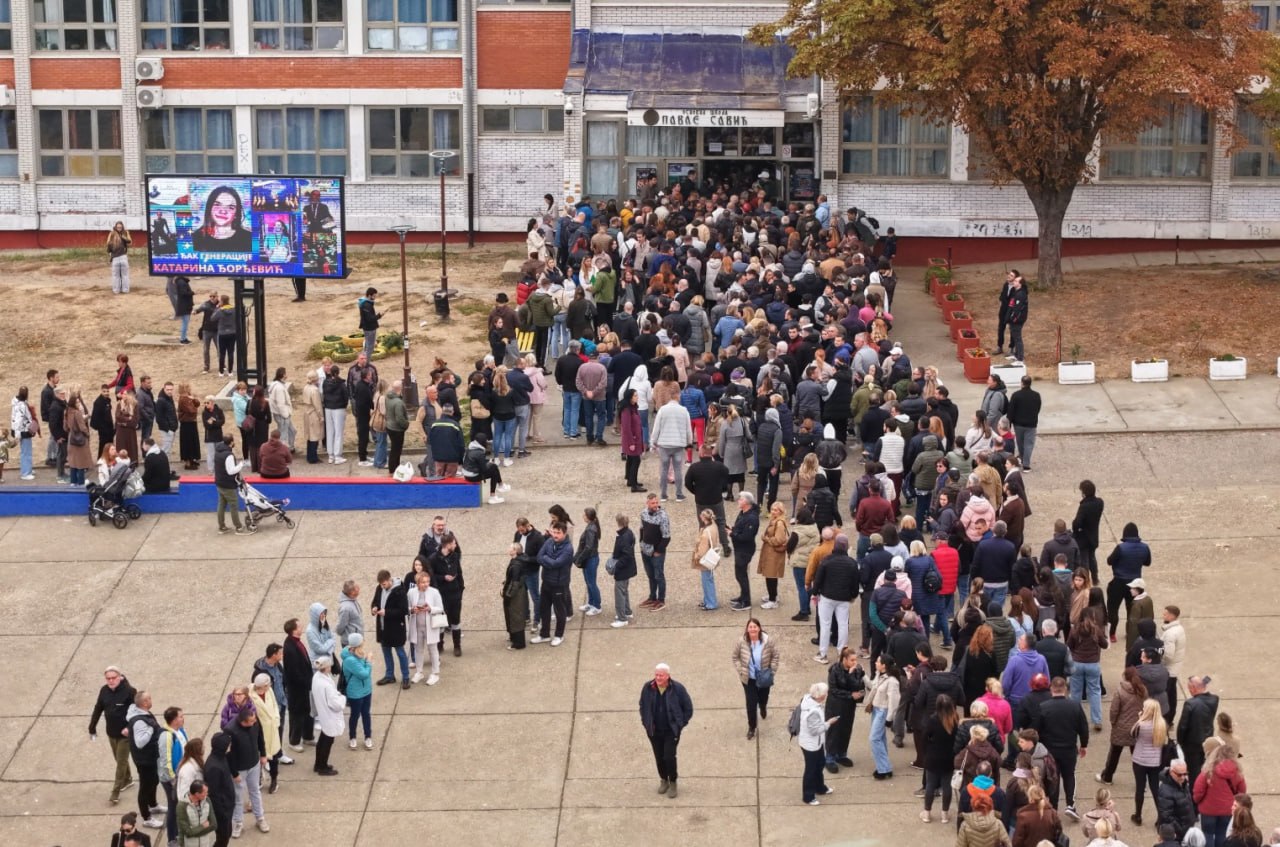
The movement grew out of the protests that followed the collapse of a canopy at the Novi Sad railway station in November 2024. Sixteen people died in that disaster. Demands for accountability evolved into an 11-point program that includes independent courts and prosecutors, media freedom, government transparency, as well as education, housing and healthcare. Vučić went into the election with different promises: raising pensions and public-sector salaries and increasing investment.
What sets this election apart is that the winner was not an opposition bloc of parties, but an independent list of the student movement. It was officially formed as a citizens’ group only on September 9, and on September 15 the electoral commission registered the list. It has neither a conventional party structure - with a leadership and regional branches—nor experience in government. The list is headed by Ilija Srdanović, but the movement has not yet named a candidate for prime minister. For voters, this means they voted for a program and principles rather than for a specific head of government. Who will turn this program into laws and a budget remains unclear.
In Bulgaria, according to exit polls, incumbent President Iliana Iotova received 35–36.5%, and economist Andrey Gyurov 31–33.5%. Iotova is backed by Rumen Radev’s ruling party, Progressive Bulgaria, which advocates peace through negotiations and opposes military aid to Ukraine. Gyurov is backed by the pro-Western opposition, and as caretaker prime minister he signed a security agreement with Kyiv. The main campaign issues were rising energy prices, poverty, especially in rural areas, and drone attacks on ships off the Black Sea coast.
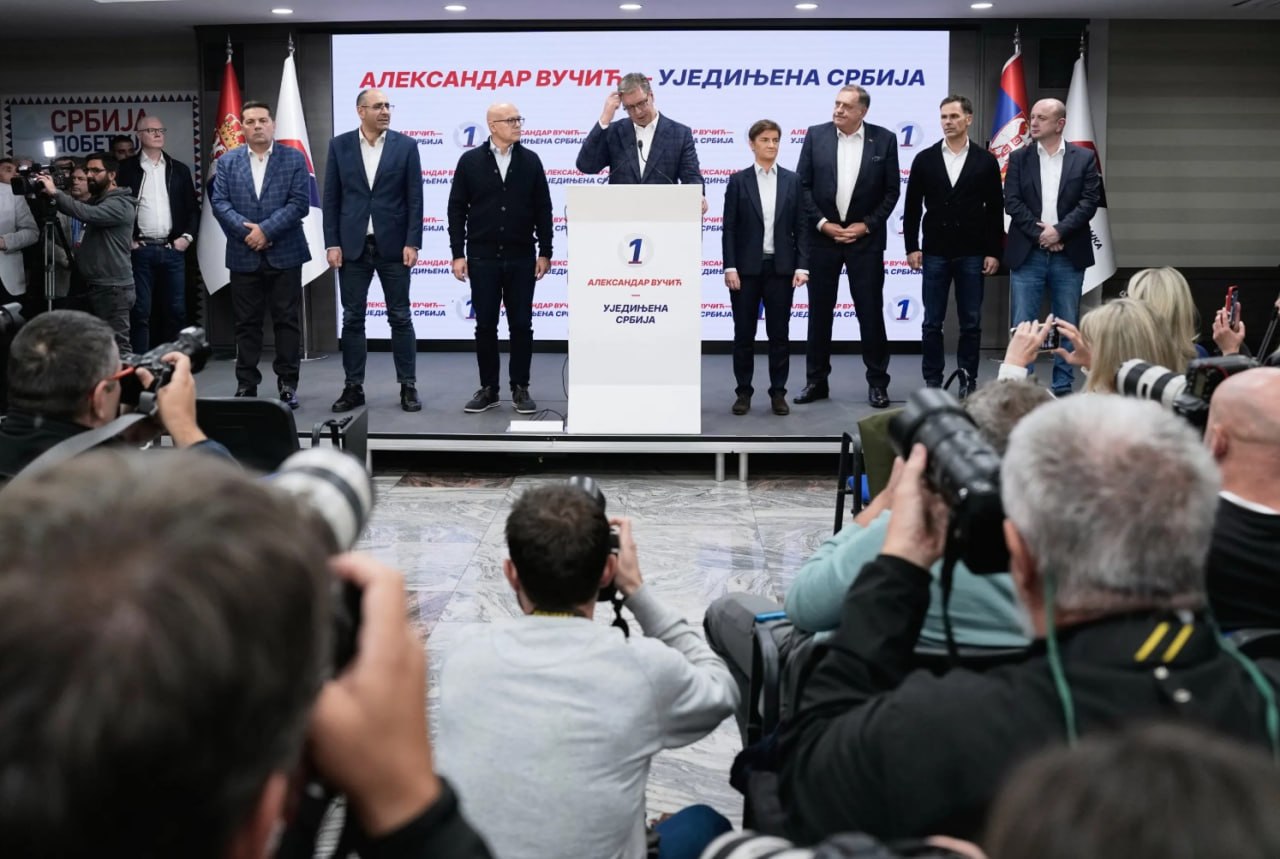
Turnout is the sharpest contrast. In Serbia it was a record high, while in Bulgaria, according to AP, it was a record low. Observers attribute this to distrust of politicians. To win in the first round, a candidate needs more than half of the votes with turnout above 50%.
The powers of Bulgaria’s president are largely ceremonial, but the president commands the armed forces, signs international treaties and can veto legislation. So for Bulgarians, the question is whether the president will act as a counterweight to the parliamentary majority. Observers note that an Iotova victory would weaken that role.
In Serbia, RIK has not yet published the final results or the distribution of seats. The students have not officially named a candidate for prime minister. In 2023, it took until May of the following year to form a government, so changes for people will not begin right away. In Bulgaria, the runoff between Iotova and Gyurov will take place on November 1. Gyurov has already challenged his rival to a debate. The outcome largely depends on whether those who skipped the first round turn out to vote.

Author · Oct 13, 2026
